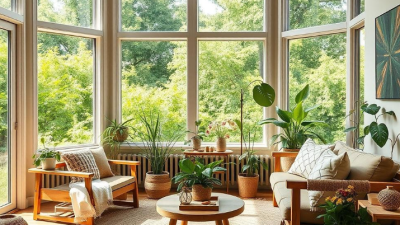
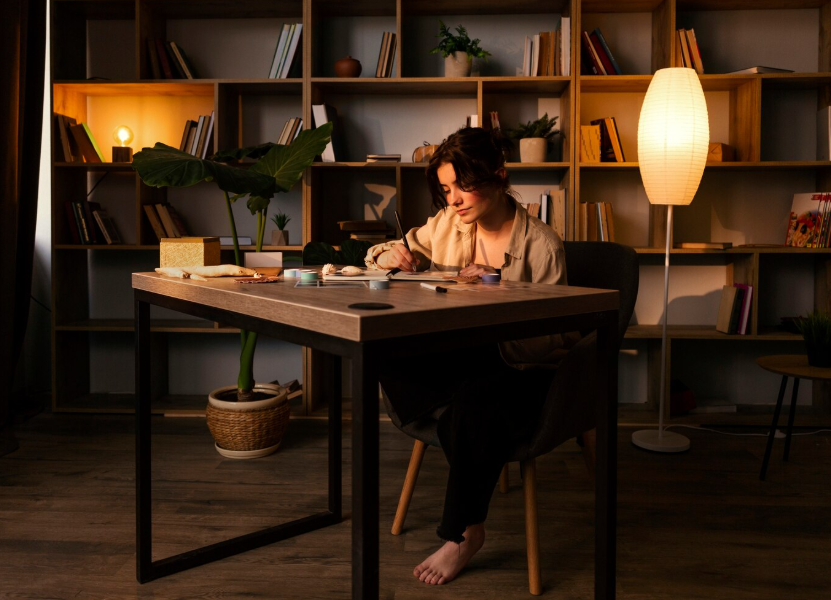
Lighting is one of the most powerful elements of interior design, yet it is often overlooked when planning a room. While furniture, wall colors, and decorative accessories receive considerable attention, lighting determines how these features appear and how comfortable a space feels. A thoughtfully designed lighting arrangement can make a small room feel spacious, turn an ordinary living area into a relaxing retreat, and improve productivity in a home office.
The secret lies in layered lighting, an approach that combines different light sources to create balance, functionality, and visual interest. Rather than relying on a single overhead fixture, layered lighting uses ambient and task illumination to support different activities throughout the day.
Understanding how these lighting layers work together can help homeowners create spaces that are both beautiful and practical.
Understanding the Concept of Layered Lighting
Layered lighting involves using multiple light sources at different heights and locations within a room. Each layer serves a particular purpose while contributing to the overall atmosphere.
The two essential components are ambient lighting and task lighting. Ambient lighting establishes general brightness, allowing people to move around comfortably. Task lighting provides focused illumination for activities such as reading, cooking, writing, or working.
Accent lighting can also complement these layers by highlighting artwork, architectural features, or decorative objects.
When combined effectively, these lighting elements create a flexible environment that adapts to changing needs.
For example, a living room might feature recessed ceiling lights for general illumination, a floor lamp beside a reading chair, and a decorative wall light that adds visual interest. Together, these fixtures provide greater comfort and versatility than a single ceiling light.
Ambient Lighting: Creating the Foundation of Every Room
Ambient lighting forms the foundation of a successful lighting design. Its primary purpose is to distribute light throughout a space, making the room comfortable and easy to navigate.
Common ambient lighting options include:
- Ceiling-mounted fixtures and chandeliers
- Recessed ceiling lights
- Pendant lighting
- Wall-mounted fixtures
- Indirect LED strip lighting
The ideal ambient lighting arrangement depends on the room’s size, ceiling height, natural light availability, and intended use.
For instance, a spacious living room may benefit from multiple ceiling fixtures that distribute light evenly. A smaller bedroom might achieve sufficient illumination through a central ceiling fixture combined with soft wall lighting.
One important consideration is avoiding excessive brightness. Too much overhead illumination can make a room feel harsh and uncomfortable. Softer, diffused lighting generally creates a more inviting atmosphere.
Using dimmable fixtures also allows homeowners to adjust the brightness depending on the time of day or activity.
Task Lighting: Bringing Precision to Everyday Activities
While ambient lighting provides general visibility, task lighting concentrates illumination where specific activities take place.
Effective task lighting improves visual comfort and reduces the need to strain the eyes when performing detailed work.
In a kitchen, under-cabinet LED lights illuminate countertops where food preparation occurs. In a home office, an adjustable desk lamp provides focused light for reading documents or writing. A bedside reading lamp allows someone to enjoy a book without brightly illuminating the entire bedroom.
Task lighting should be positioned carefully to minimize shadows and glare.
For example, placing a desk lamp on the opposite side of the writing hand can help prevent shadows from falling across paperwork. Similarly, kitchen lighting installed beneath upper cabinets provides direct illumination without relying entirely on overhead fixtures.
The goal is not simply to make a space brighter but to provide the right amount of light exactly where it is needed.
How Ambient and Task Lighting Work Together
The real advantage of layered lighting emerges when ambient and task lighting complement each other.
Ambient lighting creates a comfortable baseline of brightness, while task lighting adds focused illumination for practical activities.
Consider a dining room used for several purposes throughout the day. During meals, a pendant light above the table may provide comfortable illumination. When the same table becomes a workspace, additional focused lighting can make reading or completing projects easier.
This combination allows one room to support different activities without sacrificing comfort or appearance.
A balanced lighting plan also avoids extreme contrasts between brightly illuminated work areas and dark surrounding spaces. Maintaining some background illumination can reduce visual discomfort when moving between different parts of a room.
Transforming Different Rooms with Layered Lighting
Every room has its own lighting requirements. Understanding these differences makes it easier to develop a practical lighting strategy.
Living Room: Comfort and Versatility
The living room often serves several purposes, including entertaining guests, watching television, reading, and relaxing.
A successful lighting arrangement should accommodate all these activities.
Recessed ceiling lights or a central fixture can provide ambient illumination, while table lamps and floor lamps support reading and other focused activities.
Wall sconces or indirect lighting can introduce additional warmth and create a welcoming environment during the evening.
Using separate switches or dimmers makes it possible to change the lighting arrangement without rearranging furniture.
Kitchen: Functionality Meets Style
Kitchen lighting requires particular attention because many activities involve sharp tools, hot surfaces, and detailed food preparation.
Ambient lighting should illuminate the entire kitchen, while task lighting should focus on countertops, sinks, cooking areas, and preparation zones.
Under-cabinet LED strips are especially effective because they reduce shadows created by upper cabinets.
Pendant lights above a kitchen island can provide additional illumination while contributing to the room’s decorative style.
A well-designed kitchen lighting plan combines safety, visibility, and visual appeal.
Bedroom: Creating a Relaxing Atmosphere
Bedrooms benefit from softer lighting that supports relaxation while remaining practical.
Warm ambient lighting creates a comfortable atmosphere, while bedside lamps provide focused illumination for reading.
Wall-mounted reading lights can be particularly useful in smaller bedrooms because they free up space on bedside tables.
Dimmable fixtures allow the room to transition from brighter lighting during morning routines to softer illumination before bedtime.
Avoiding overly intense light near the bed can also make the room feel calmer and more restful.
Home Office: Supporting Focus and Productivity
A home office needs sufficient light for computer work, reading, writing, and video meetings.
Ambient lighting helps maintain comfortable visibility throughout the room, while adjustable task lighting supports activities requiring greater concentration.
Desk lamps should be positioned to prevent reflections on computer screens.
Natural daylight can also contribute to the lighting arrangement, although window coverings may be necessary to manage direct sunlight and glare.
The most effective office lighting design provides flexibility as working conditions change throughout the day.
Bathroom: Combining Visibility and Comfort
Bathrooms require a balance between bright, practical lighting and softer illumination.
General ceiling lighting provides visibility, while task lighting near mirrors supports grooming, shaving, and applying makeup.
Placing lights on both sides of a mirror can help reduce facial shadows compared with relying entirely on a fixture directly overhead.
Bathroom lighting fixtures must also be suitable for their installation locations, especially where moisture and water exposure are concerns.
Choosing the Right Color Temperature
Lighting affects more than visibility. The color temperature of a bulb influences the atmosphere of a room.
Color temperature is measured in Kelvin (K), with lower values producing warmer light and higher values creating cooler-looking illumination.
| Color temperature | Appearance | Common applications |
|---|---|---|
| 2700K–3000K | Warm white | Bedrooms, living rooms, relaxing spaces |
| 3500K–4000K | Neutral white | Kitchens, bathrooms, home offices |
| 5000K–6500K | Cool, daylight-like | Specialized work areas and detailed tasks |
These ranges are general guidelines rather than strict rules.
Warm lighting often works well in spaces intended for relaxation, while neutral white lighting can support activities requiring clear visibility.
For a cohesive appearance, homeowners should consider how different fixtures interact within the same room. Dramatically different color temperatures can create visual inconsistency unless used intentionally.
The Importance of Brightness and Light Distribution
Choosing the correct brightness is just as important as selecting attractive fixtures.
Modern lighting products commonly express brightness in lumens rather than watts. Lumens measure light output, while watts indicate electrical power consumption.
A room’s ideal brightness depends on its dimensions, wall colors, natural lighting, and the activities performed there.
Dark walls and furnishings may absorb more light, while lighter surfaces tend to reflect it.
Instead of installing one extremely bright fixture, distributing light through several sources can produce a more balanced result.
For example, combining ceiling lights with floor lamps can illuminate a living room more comfortably than relying on a single intense overhead bulb.
Task lighting can then provide extra illumination without increasing brightness throughout the entire space.
Using Smart Lighting for Greater Flexibility
Smart lighting technology has introduced new possibilities for creating adaptable interiors.
Connected bulbs, dimmers, and automated lighting systems allow users to adjust brightness, establish schedules, and control compatible fixtures remotely.
Homeowners can create different lighting scenes for activities such as working, dining, entertaining, or relaxing.
For example, a daytime setting might use brighter ambient illumination, while an evening setting could reduce overhead brightness and emphasize table lamps.
Some smart lighting systems also allow changes to color temperature throughout the day.
Although smart features are not essential for effective layered lighting, they can make it easier to manage multiple fixtures and improve everyday convenience.
Common Layered Lighting Mistakes to Avoid
Even well-furnished rooms can feel uncomfortable when lighting is poorly planned.
One common mistake is relying exclusively on ceiling lights. This approach often produces flat illumination and leaves certain work areas inadequately lit.
Another issue is placing task lighting incorrectly. A lamp positioned behind someone may create shadows across a desk or countertop.
Selecting bulbs with unsuitable color temperatures can also affect the atmosphere. Extremely cool lighting may feel uncomfortable in a relaxing bedroom, while insufficient lighting can make detailed kitchen tasks difficult.
Other mistakes include choosing decorative fixtures without considering their actual light output, ignoring natural daylight, and installing lights without flexible controls.
Correcting these problems often requires thoughtful placement rather than expensive renovations.
Energy Efficiency and Long-Term Value
Energy efficiency is another important consideration when designing a layered lighting system.
LED lighting is a practical choice because it generally consumes less electricity and lasts longer than traditional incandescent bulbs.
Modern LED fixtures are available in numerous brightness levels, color temperatures, and decorative styles.
Combining energy-efficient lighting with dimmers, occupancy sensors, and thoughtful switching can further reduce unnecessary electricity use.
Task lighting can also support efficiency by illuminating specific work areas without requiring every light in a room to operate at full brightness.
Over time, a carefully planned lighting arrangement can provide both improved comfort and lower operating costs.
Practical Tips for Planning Your Lighting Layout
Before purchasing fixtures, consider how each room is used throughout the day.
Start by identifying the primary activities that take place in the space. Next, determine where general lighting is required and which areas need additional focused illumination.
Evaluate existing natural light, window placement, ceiling height, and furniture arrangements.
Choose ambient lighting that distributes brightness comfortably, then introduce task lighting near work surfaces, seating areas, and other frequently used locations.
Whenever possible, provide independent controls for different lighting layers. This gives the room greater flexibility and allows occupants to adjust the atmosphere without turning every fixture on or off simultaneously.
Finally, test the arrangement during both daytime and evening hours. Lighting that looks balanced during daylight may behave differently after sunset.
The Future of Interior Lighting Design
Interior lighting continues to evolve as homeowners place greater emphasis on comfort, energy efficiency, and adaptable living spaces.
Modern designs increasingly incorporate concealed LED strips, adjustable fixtures, wireless controls, and lighting systems that support multiple activities.
Rather than treating lighting as an afterthought, designers are integrating it into the earliest stages of room planning.
This shift reflects a broader understanding that successful interiors must support both appearance and everyday functionality.
Layered lighting is especially valuable in modern homes where individual rooms often serve several purposes.
Conclusion
Layered lighting transforms interiors by combining practical illumination with thoughtful design. Ambient lighting establishes overall comfort and visibility, while task lighting provides focused brightness for everyday activities.
Together, these layers make rooms more functional, adaptable, and visually appealing.
Whether updating a small bedroom, redesigning a kitchen, or improving a home office, the principles remain the same: understand the room’s purpose, distribute light carefully, choose suitable fixtures, and provide flexible controls.
A successful lighting plan does not necessarily require expensive equipment or dramatic renovations. Often, the most meaningful improvements come from placing the right light in the right location.
By approaching illumination as an essential part of interior design, homeowners can create spaces that look inviting, support daily routines, and feel comfortable from morning until night.
Read More : Tactile Minimalism: Creating Warmth Through Texture Rather Than Clutter