
Introduction
Video games have traditionally followed carefully designed narratives, where developers create characters, missions, challenges, and endings for players to experience. However, modern gaming has introduced a fascinating concept that changes how stories unfold: emergent gameplay.
Emergent gameplay happens when players interact with game systems in unexpected ways, creating situations and experiences that developers never specifically planned. Instead of following a predetermined storyline, players develop their own adventures through experimentation, creativity, and unpredictable interactions.
This approach transforms games from structured entertainment into dynamic environments where every player’s journey can be different. From unexpected survival stories to hilarious multiplayer encounters, emergent gameplay demonstrates how powerful player freedom can be.
What Is Emergent Gameplay?
Emergent gameplay refers to situations where complex and unexpected outcomes arise from the interaction of relatively simple game mechanics.
Developers design systems such as physics, artificial intelligence, weather, crafting, combat, and character behavior. When these systems interact, they can produce surprising events that were not explicitly scripted.
For example, imagine a player exploring an open-world survival game. A sudden storm forces the player to seek shelter inside an abandoned building. While hiding, the player encounters another survivor who initially appears hostile. Instead of fighting, both players cooperate to escape a dangerous situation.
The developers may have created the storm, building, survival mechanics, and multiplayer interactions, but the resulting story emerges naturally from the players’ decisions.
This is what makes emergent gameplay unique: the systems are designed, but the stories are often created by the players themselves.
How Emergent Gameplay Works
Emergent gameplay usually develops when multiple interactive systems influence one another.
1. Interconnected Game Mechanics
Games with interconnected mechanics give players more opportunities to discover unexpected solutions.
For example, a game might include fire, wind, water, and destructible environments. When these mechanics interact, players can create strategies that developers did not explicitly teach them.
A player might use wind to spread flames toward enemies or manipulate water to solve an environmental challenge.
The resulting gameplay becomes more interesting because players are discovering possibilities rather than simply following instructions.
2. Player Freedom and Experimentation
Freedom is one of the most important ingredients of emergent gameplay.
When games allow players to approach objectives in different ways, experimentation becomes part of the experience.
Instead of requiring players to defeat enemies through direct combat, a game might allow stealth, environmental manipulation, negotiation, or creative use of tools.
This flexibility encourages players to think independently and develop personal strategies.
3. Dynamic Artificial Intelligence
Artificial intelligence can also contribute to unpredictable gameplay.
NPCs may react to player actions, environmental changes, and other characters. When AI-driven behaviors interact, unexpected situations can emerge.
For example, two enemy groups might accidentally fight each other while pursuing the player, creating an opportunity to escape.
The event may not have been written as a specific mission, but it becomes a memorable moment because of how the game systems interact.
4. Multiplayer Interactions
Multiplayer environments significantly expand the possibilities of emergent gameplay.
Human behavior is difficult to predict. Players may cooperate, compete, negotiate, betray one another, or create entirely new activities within the game.
An ordinary multiplayer match can suddenly become a dramatic survival story, an unexpected friendship, or a humorous social experiment.
These interactions make multiplayer games particularly effective at generating player-driven narratives.
Popular Games That Demonstrate Emergent Gameplay
Several well-known games have become popular partly because of their ability to produce unscripted experiences.

Minecraft
Minecraft provides players with building blocks, crafting systems, survival mechanics, and an open environment. Players can create elaborate cities, organize competitions, invent challenges, or develop their own adventures without following a traditional storyline.

The Legend of Zelda: Tears of the Kingdom
Its building tools, physics systems, and environmental interactions encourage experimentation. Players can invent vehicles, create unusual combat strategies, and solve challenges through creative combinations of mechanics.
Dwarf Fortress
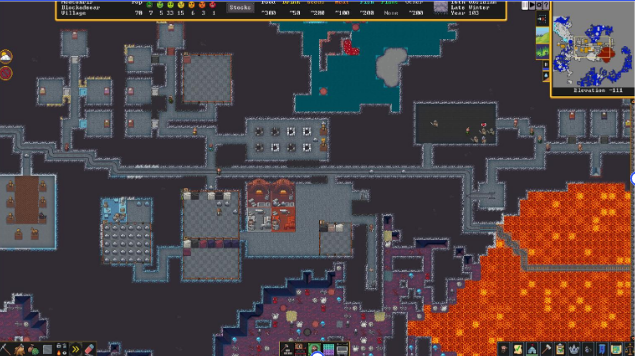
Dwarf Fortress is famous for complex simulations that generate unexpected events. Individual characters, environmental systems, and settlement management decisions can produce elaborate stories involving disasters, conflicts, and survival.

Sea of Thieves
Player encounters can result in alliances, sea battles, treasure hunts, and unexpected betrayals. These experiences create memorable stories beyond the game’s structured activities.
Why Emergent Gameplay Makes Games More Engaging
One major advantage of emergent gameplay is that it allows players to feel genuinely responsible for their experiences.
In a traditional scripted game, players often know that significant events were planned by the developer. In an emergent experience, events may feel more personal because they happened through the player’s own decisions.
This sense of ownership can make even small moments meaningful.
For instance, surviving an unexpected ambush using improvised tools may feel more rewarding than completing a heavily scripted battle.
Emergent gameplay also encourages curiosity. Players begin asking questions such as:
- What happens if I combine these two mechanics?
- Can I solve this problem without fighting?
- How will other characters react to my choices?
- Can I use the environment in an unexpected way?
These questions transform gaming into a process of discovery.
The Role of Player Creativity in Storytelling
Emergent gameplay changes the relationship between developers and players.
Rather than creating every possible event, developers establish a framework that supports different outcomes.
Players then become active participants in shaping the narrative.
A group of friends might create a trading economy inside a survival game. Another community might organize racing competitions in a world originally designed for exploration.
Some players even develop elaborate role-playing communities with their own rules, characters, and social structures.
These activities demonstrate that storytelling does not always require written dialogue or scripted cutscenes.
Sometimes, the most interesting stories arise from spontaneous decisions and unexpected consequences.
Emergent Gameplay and Replayability
Replayability is another important benefit of emergent game design.
A heavily scripted game may offer a similar experience each time it is played. Once players understand the storyline and challenges, subsequent playthroughs can become predictable.
Emergent systems help reduce that predictability.
Different player decisions, environmental conditions, and AI interactions can create new situations during each session.
For example, a survival game might produce one experience in which players successfully build a peaceful settlement and another where resource shortages create intense competition.
Even when the underlying mechanics remain unchanged, the resulting experiences can feel completely different.
This variability can encourage players to return long after completing the game’s original objectives.
How Online Communities Expand Emergent Stories
Gaming communities play a major role in turning unexpected events into memorable stories.
Players frequently share gameplay clips, screenshots, and personal experiences through social platforms, forums, and streaming services.
A surprising event involving an unusual strategy or spontaneous collaboration can attract attention from thousands of other players.
These stories may inspire new challenges, community traditions, or popular gameplay techniques.
In some cases, developers recognize these player-created activities and incorporate similar ideas into future updates.
This creates an interesting relationship between game creators and their communities, where player experimentation can influence how games evolve.
Challenges Developers Face With Emergent Gameplay
Although emergent gameplay offers significant advantages, it also introduces development challenges.
Maintaining Game Balance
When players discover unexpected combinations of mechanics, some strategies may become excessively powerful.
Developers must decide whether to preserve creative freedom or adjust systems to maintain fairness.
This becomes especially important in competitive multiplayer games.
Preventing Unintended Exploits
Emergent gameplay sometimes produces results that resemble bugs or exploits.
Players may discover ways to bypass challenges, duplicate resources, or manipulate game mechanics.
Developers need to distinguish between harmless creativity and behavior that undermines the intended experience.
Creating Reliable Interactive Systems
Complex systems require careful testing.
Physics, AI, environmental interactions, and multiplayer mechanics must function together without causing frequent crashes or serious technical problems.
The more freedom players receive, the harder it becomes to anticipate every possible interaction.
Balancing Freedom With Narrative Direction
Not every player enjoys completely open-ended experiences.
Some prefer clear objectives, structured missions, and strong character-driven storytelling.
Successful games often balance authored content with opportunities for player experimentation, allowing different play styles to coexist.
The Future of Emergent Gameplay
As gaming technology advances, emergent gameplay could become an increasingly important part of interactive entertainment.
More sophisticated simulation systems may allow virtual environments to respond to player behavior in greater detail.
AI-driven characters could potentially develop more varied reactions, adapt to changing situations, and support a wider range of dynamic interactions.
Procedural generation may also help create environments, challenges, and events that differ between playthroughs.
However, technological complexity alone does not guarantee meaningful emergent gameplay.
The most successful experiences will still depend on well-designed systems that give players understandable tools and interesting choices.
Developers must ensure that unpredictability remains enjoyable rather than frustrating.
The future may involve games where designers create the foundations of a world while players shape many of its most memorable events.
Why Unscripted Stories Often Feel More Personal
One reason emergent gameplay remains appealing is its ability to create emotional experiences without directly scripting them.
Imagine a player spending several hours building a settlement in a survival game. After gathering resources and defending the area, an unexpected disaster destroys much of the settlement.
The player manages to save a few valuable items and begins rebuilding.
Although this sequence may not belong to an official storyline, it can create genuine feelings of disappointment, determination, and achievement.
The experience becomes meaningful because the player invested time, made decisions, and experienced the consequences.
Similarly, unexpected teamwork between strangers can create memorable friendships, while surprising victories can become stories players share for years.
These experiences demonstrate that emotional storytelling can emerge through gameplay itself.
Conclusion
Emergent gameplay represents an important evolution in how video games create meaningful experiences.
By combining interactive systems, player freedom, dynamic environments, and unpredictable behavior, developers can create worlds where stories develop naturally rather than following predetermined scripts.
Games such as Minecraft, Dwarf Fortress, and Sea of Thieves demonstrate how players can transform basic mechanics into elaborate adventures, unexpected conflicts, and unforgettable moments.
As developers continue experimenting with advanced simulations, artificial intelligence, and open-ended game design, the possibilities for player-driven storytelling may expand even further.
Ultimately, emergent gameplay highlights one of gaming’s greatest strengths: the most memorable stories are not always the ones developers write, but the ones players discover and create for themselves.
Read More : Cool Names For Games That Actually Feel Unique And Worth Using