Introduction
Modern life often keeps people surrounded by screens, artificial lighting, concrete buildings, and enclosed environments. While these spaces support convenience and productivity, they can sometimes feel disconnected from the natural world. Biophilic interior design offers a refreshing approach by bringing elements of nature into everyday living and working environments.
Biophilic interiors focus on creating meaningful connections between people and nature through natural light, indoor plants, organic textures, fresh air, and calming architectural features. Rather than simply decorating rooms with greenery, this design philosophy aims to create environments that support emotional well-being, concentration, and overall comfort.
As people increasingly prioritize mental wellness and healthier living spaces, biophilic design is becoming an important consideration in modern homes, offices, schools, and commercial buildings.
Understanding Biophilic Interior Design
Biophilic design is based on the idea that humans have an inherent connection to nature. The term biophilia describes this natural affinity for living systems and the environments that support them.
In interior design, this concept involves incorporating natural features and experiences into built environments.
Common elements of biophilic interiors include:
- Indoor plants and living walls
- Natural sunlight and outdoor views
- Wooden furniture and stone surfaces
- Earth-inspired color palettes
- Natural ventilation and comfortable airflow
- Water features and nature-inspired artwork
- Organic shapes and sustainable materials
These features work together to create interiors that feel inviting, balanced, and connected to the surrounding environment.
Unlike conventional decoration, biophilic design considers how a space influences human behavior, emotions, and daily performance.
How Biophilic Interiors Can Reduce Stress
One of the most appealing benefits of biophilic interior design is its potential to support relaxation and stress recovery.
Natural environments have been associated with lower perceived stress and improvements in psychological well-being. Bringing certain natural elements indoors may help create similar restorative experiences, although results vary depending on the setting and the people using it.
1. Natural Light Supports Emotional Well-Being
Sunlight is an essential part of a healthy indoor environment. Exposure to natural daylight helps regulate the body’s circadian rhythm, which influences sleep patterns, alertness, and mood.
Rooms filled with daylight often feel more open and welcoming than poorly illuminated spaces.
Large windows, skylights, glass partitions, and strategically placed mirrors can increase access to natural light.
However, effective daylight design must also control glare and excessive heat to maintain comfort.
2. Greenery Creates a Calming Atmosphere
Indoor plants are among the most recognizable features of biophilic interiors.
Their natural colors, textures, and forms can soften the appearance of a room and create a more relaxing atmosphere.
Research suggests that indoor greenery may support positive emotional responses and reduce perceived stress in some environments.
Popular indoor plants include peace lilies, snake plants, pothos, spider plants, and rubber plants.
Choosing plants suited to the available light and maintenance conditions helps ensure that greenery remains healthy and attractive.
3. Natural Materials Make Spaces Feel Comfortable
Materials such as wood, bamboo, cork, linen, cotton, and natural stone introduce organic textures into indoor environments.
These materials can create a sense of warmth and visual harmony, especially when combined with simple furniture and uncluttered layouts.
For example, a wooden dining table paired with woven chairs and soft linen curtains can create a welcoming atmosphere without requiring elaborate decoration.
Material selection should also consider durability, responsible sourcing, and low-emission finishes.
The Connection Between Nature and Improved Focus
Stress reduction is only one potential benefit of biophilic design. Nature-inspired environments may also support attention, mental restoration, and productivity.
Modern workplaces and study areas often expose people to constant notifications, background noise, and visual distractions.
These conditions can contribute to mental fatigue and make sustained concentration more difficult.
Biophilic design offers several ways to create more supportive environments.
Reducing Mental Fatigue
Attention Restoration Theory suggests that natural environments can help people recover from the mental effort associated with sustained concentration.
Natural patterns, outdoor views, and peaceful surroundings may provide a gentle form of engagement that allows directed attention to recover.
A workspace overlooking trees or a small indoor garden may therefore offer a more restorative experience than a visually monotonous environment.
Supporting Workplace Productivity
Comfortable lighting, access to natural views, and thoughtfully organized spaces can contribute to workplace satisfaction.
Biophilic offices often incorporate greenery, daylight, natural materials, and designated relaxation areas.
These features may support concentration and perceived well-being, although productivity depends on many factors, including workload, noise, ergonomics, and organizational culture.
The most effective designs combine natural elements with practical workplace requirements.
Encouraging Creativity
Creative thinking often benefits from environments that feel comfortable and offer opportunities for mental breaks.
Organic shapes, natural textures, and varied visual experiences can make spaces feel less rigid.
Design studios, home offices, and collaborative workspaces may benefit from incorporating nature-inspired features that encourage exploration without creating unnecessary distractions.
Essential Elements of a Biophilic Interior
Creating a biophilic space does not necessarily require expensive renovations. Several design elements can transform ordinary rooms into more nature-connected environments.
Natural Lighting
Prioritize daylight wherever possible.
Position desks and seating areas near windows while avoiding direct glare on screens.
Use lightweight curtains to soften sunlight, and choose adjustable lighting for evening activities.
Indoor Plants
Introduce greenery at different heights to create visual depth.
Small plants work well on shelves and desks, while larger plants can become attractive focal points in living rooms and entryways.
Vertical gardens can be especially useful when floor space is limited.
Earth-Inspired Colors
Colors drawn from natural landscapes can establish a calming visual foundation.
Soft greens, warm browns, muted blues, sandy beige, and gentle terracotta are common choices.
These shades work particularly well when paired with natural textures and simple furnishings.
Organic Shapes and Patterns
Natural environments rarely consist entirely of straight lines and sharp angles.
Curved furniture, rounded mirrors, irregular stone patterns, and botanical designs introduce softer visual forms.
These details can help create a balanced appearance without overwhelming the room.
Natural Sounds and Water Features
The gentle sound of flowing water may contribute to a peaceful atmosphere for some people.
Small indoor fountains can create sensory interest in suitable spaces.
However, water features require regular cleaning and maintenance to prevent hygiene problems. Quiet environments may be preferable in areas intended for concentrated work.
Applying Biophilic Design to Different Rooms
Living Room: Creating a Relaxing Retreat
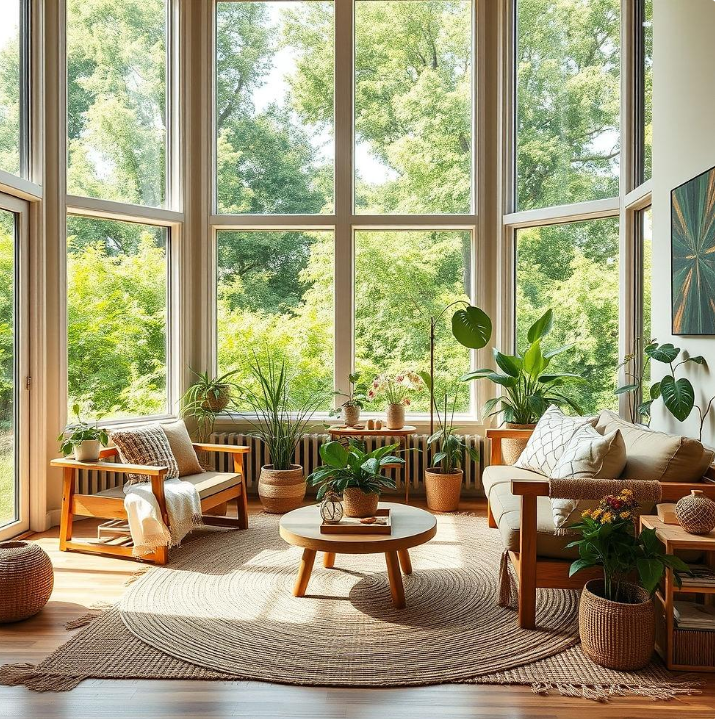
Combine comfortable seating, leafy plants, wooden furniture, and natural fabrics. Keep window views open where possible and use warm, layered lighting for a welcoming atmosphere.

Home Office: Designing for Concentration
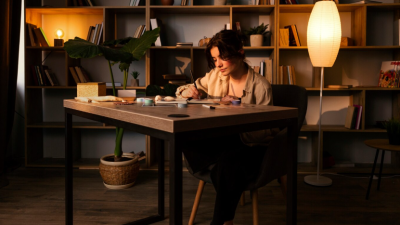
Position the desk near a window, add a manageable amount of greenery, and prioritize ergonomic furniture. Natural materials can create a peaceful work environment without sacrificing functionality.

Bedroom: Supporting Rest and Recovery
Choose breathable bedding, soft earth tones, natural textures, and adjustable lighting. Limit clutter and avoid excessive light at night to support a restful sleeping environment.

Kitchen: Bringing Nature Into Daily Routines
Introduce natural wood finishes, stone textures, and small herb gardens. A bright windowsill with basil, mint, or rosemary can add both greenery and practical value.
Biophilic Design in Commercial and Educational Spaces
The benefits of nature-inspired interiors extend beyond residential settings.
Offices, schools, healthcare facilities, hotels, and retail environments increasingly explore biophilic design to improve the experiences of occupants and visitors.
In educational environments, access to daylight and views of nature may support student comfort and attention.
Healthcare spaces may incorporate gardens, calming artwork, and natural scenery to create more supportive surroundings for patients and staff.
Hotels and hospitality businesses can use indoor greenery, local natural materials, and outdoor connections to establish memorable environments.
However, successful implementation requires more than adding plants. Accessibility, maintenance, ventilation, safety, and the actual needs of occupants must guide the design process.
Sustainability and Biophilic Interiors
Biophilic design and sustainable interior design share several goals, but they are not identical.
Biophilic design focuses on strengthening the connection between people and nature, while sustainable design emphasizes reducing environmental impacts.
When thoughtfully combined, these approaches can create healthier and more resource-efficient spaces.
Sustainable choices may include reclaimed wooden furniture, responsibly sourced materials, energy-efficient lighting, low-VOC paints, and durable natural textiles.
Passive daylight strategies can also reduce reliance on artificial lighting when combined with appropriate shading and building design.
Selecting materials that last longer and require less frequent replacement can reduce waste over time.
Importantly, natural materials are not automatically sustainable. Their environmental impact depends on sourcing, manufacturing, transportation, maintenance, and disposal.
Common Mistakes to Avoid
Although biophilic interiors offer many design possibilities, excessive or poorly planned additions can reduce their effectiveness.
Overcrowding rooms with plants can make spaces feel cluttered and increase maintenance demands.
Similarly, placing moisture-sensitive materials in humid environments may lead to deterioration.
Other common challenges include insufficient daylight, uncomfortable glare, poor ventilation, and selecting plants unsuitable for indoor conditions.
A successful biophilic interior should balance aesthetic appeal with usability, hygiene, accessibility, and long-term maintenance.
The goal is to create a comfortable relationship with nature rather than fill every available surface with natural objects.
The Future of Biophilic Interior Design
As urban populations grow and indoor lifestyles become more common, interest in nature-connected design is likely to continue.
Future interiors may combine biophilic principles with intelligent building technologies.
Automated shading systems, daylight-responsive lighting, improved ventilation controls, and adaptable green spaces could help make indoor environments more comfortable.
Architects and interior designers may also place greater emphasis on balconies, courtyards, rooftop gardens, and flexible indoor-outdoor spaces.
Another important direction involves designing environments that respond to different sensory needs.
Some people prefer abundant greenery and natural sounds, while others concentrate better in simpler spaces with fewer visual distractions.
Personalized biophilic design can accommodate these differences while maintaining a meaningful connection to nature.
Conclusion
Biophilic interiors represent a thoughtful approach to designing spaces that support both everyday functionality and human well-being.
By incorporating natural light, indoor plants, organic materials, earth-inspired colors, and connections to outdoor environments, designers can create rooms that feel calmer, more inviting, and potentially more supportive of concentration.
While biophilic design is not a guaranteed solution for stress or productivity challenges, it offers practical ways to improve the experience of indoor environments.
Whether applied to a small apartment, a home office, or a large commercial building, the most successful approach emphasizes comfort, balance, and meaningful interaction with nature.
Ultimately, biophilic design is about creating spaces that do more than look beautiful—they help people feel connected, comfortable, and better equipped for everyday life.
Read More : Funny Spider Names: Clever Names for Your Eight-Legged Friend