
Introduction
Fine dining has always been associated with creativity, precision, and exceptional ingredients. However, one of the most exciting developments in modern gastronomy comes from a practice that has existed for thousands of years: fermentation. Once primarily used to preserve food before refrigeration, fermentation has become an essential technique for chefs seeking extraordinary flavors, distinctive textures, and more sustainable kitchen practices.
From fermented vegetables and aged sauces to innovative desserts and carefully crafted beverages, fermentation is reshaping how restaurants approach food preparation. By combining ancient knowledge with modern culinary science, chefs are discovering possibilities that extend far beyond traditional preservation.
The Ancient Origins of Fermentation
Fermentation has played an important role in human civilization for centuries. Before modern refrigeration and industrial food processing, communities relied on natural microorganisms to preserve seasonal ingredients and extend their usability.
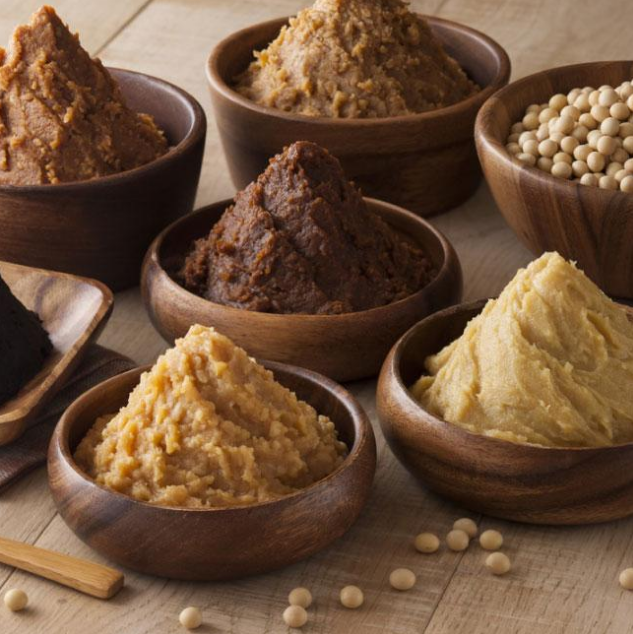
Different cultures developed their own fermentation traditions based on local climates, ingredients, and culinary preferences. Korean kimchi, Japanese miso, German sauerkraut, and traditional fermented dairy products are examples of foods that emerged from these practices.
Although preservation was a major motivation, fermentation also produced unique flavors that became central to regional cuisines. Over time, these fermented foods developed cultural significance and were passed down through generations.
Today, professional chefs are revisiting these traditions, using them as inspiration for contemporary dishes that celebrate both history and innovation.
Understanding the Science Behind Fermentation
Fermentation involves microorganisms such as bacteria, yeasts, and molds transforming substances in food through biochemical processes. Depending on the microorganisms and conditions involved, these transformations can produce organic acids, alcohol, gases, and numerous aromatic compounds.
In culinary applications, fermentation can dramatically influence the taste, aroma, texture, and composition of ingredients.
For example, lactic acid bacteria convert sugars into lactic acid, creating the tangy character associated with fermented vegetables and certain dairy products. Yeasts are responsible for alcoholic fermentation in beverages and contribute to the development of bread dough.
Other microorganisms, including Aspergillus oryzae, are used in traditional processes such as koji production, where enzymes break down starches and proteins into compounds that contribute sweetness and savory depth.
Understanding these transformations allows chefs to develop complex flavors while maintaining greater control over their ingredients.
Why Fine Dining Restaurants Are Embracing Fermentation
Modern fine dining increasingly emphasizes memorable experiences rather than simply luxurious ingredients. Fermentation supports this philosophy by allowing chefs to develop flavors that cannot easily be achieved through conventional cooking techniques.
1. Creating Extraordinary Flavor Complexity
One of fermentation’s greatest advantages is its ability to generate depth and complexity.
Fresh ingredients often contain delicate flavors that become more pronounced or transformed during fermentation. Vegetables may develop pleasant acidity, grains can acquire rich savory characteristics, and fruits may reveal unexpected aromatic qualities.
Chefs use these changes to create sophisticated combinations of sweetness, acidity, bitterness, and umami.
A fermented tomato preparation, for example, can bring a concentrated, tangy dimension to a dish, while aged miso may provide richness to sauces or vegetable-based entrees.
2. Transforming Familiar Ingredients
Fermentation gives ordinary ingredients entirely new culinary identities.
A simple cabbage can become a vibrant fermented condiment, while rice can serve as the foundation for koji-based preparations. Fruits that might otherwise be used in conventional desserts can become components of fermented sauces, syrups, or carefully balanced accompaniments.
This transformation encourages chefs to reconsider ingredients that may previously have appeared too ordinary for premium dining.
3. Supporting More Sustainable Kitchens
Food waste remains a significant challenge across the hospitality industry. Fermentation can help restaurants make better use of suitable surplus ingredients by transforming them into valuable culinary components.
For instance, excess seasonal vegetables may be fermented into condiments, while appropriate fruit trimmings can sometimes be incorporated into controlled fermentation projects.
However, fermentation does not make spoiled food safe, and not every leftover ingredient is suitable for this process. Successful restaurant programs require careful sanitation, validated methods, and appropriate storage conditions.
When handled correctly, fermentation can complement broader efforts to reduce waste and make better use of available resources.
Traditional Fermentation Techniques in Modern Kitchens
Lacto-Fermentation
Commonly used for vegetables, this process relies on lactic acid bacteria to develop acidity and complexity. Fine dining chefs incorporate fermented carrots, radishes, cucumbers, and other produce into inventive garnishes and side dishes.
Koji Fermentation
Koji cultivation is especially influential in contemporary restaurant experimentation. Its enzymes help transform starches and proteins, enabling the creation of deeply flavored marinades, pastes, and sauces.

Beverage Fermentation
Restaurants are experimenting with kombucha, fermented teas, and other cultured beverages to offer sophisticated alternatives to conventional drinks. These preparations can introduce distinctive acidity, aromas, and complexity to tasting menus.
How Fermentation Is Influencing Modern Tasting Menus
Tasting menus are ideal environments for fermentation because they allow chefs to introduce distinctive flavors gradually throughout a meal.
A carefully designed menu might begin with lightly fermented vegetables served alongside delicate seafood or plant-based appetizers. Later courses could incorporate koji-marinated ingredients, fermented chili sauces, or deeply savory aged seasonings.
Desserts can also benefit from fermentation. Cultured cream, fermented fruit preparations, and miso-based caramel can introduce subtle acidity or savory contrast to otherwise sweet creations.
These combinations encourage diners to explore unfamiliar flavors while maintaining a sense of balance and harmony.
Rather than treating fermentation as a separate culinary category, chefs increasingly use it as a foundational technique throughout the dining experience.
Technology Is Making Ancient Fermentation More Precise
Although fermentation has ancient origins, modern technology has significantly expanded its possibilities.
Professional kitchens can now use specialized fermentation chambers, temperature-controlled environments, digital monitoring equipment, and laboratory testing to better understand microbial activity.
Temperature, acidity, salt concentration, oxygen exposure, and fermentation duration can influence the final product. Tracking these variables helps chefs improve consistency and reduce uncertainty.
Modern food science also allows culinary teams to investigate how different microorganisms affect flavor development.
However, precision equipment does not replace food safety expertise. Restaurants must still follow established food safety procedures, particularly when experimenting with unfamiliar processes or low-acid foods.
By combining tradition with scientific understanding, chefs can explore new flavors with greater confidence and repeatability.
Fermentation and the Rise of Plant-Based Fine Dining
The growing popularity of plant-focused cuisine has created additional opportunities for fermentation.
Vegetables, grains, legumes, and nuts can provide the foundation for complex fermented products that enhance meat-free dishes.
Fermented soybean products offer savory richness, while koji-based preparations can add depth to mushrooms, grains, and vegetables. Cultured plant-based ingredients may also contribute creaminess and tanginess to sauces and dressings.
These techniques help chefs create satisfying dishes without relying exclusively on animal-derived ingredients for richness or umami.
As restaurants continue to expand their plant-based offerings, fermentation provides an important tool for developing distinctive culinary identities.
The Art of Pairing Fermented Foods
Pairing fermented ingredients requires careful attention to balance.
Because fermentation can create strong acidity, saltiness, or intense savory flavors, these components must be integrated thoughtfully into a dish.
Acidic fermented vegetables can complement rich or fatty foods by providing contrast. Fermented sauces can enhance roasted ingredients, while milder cultured preparations may introduce complexity without overwhelming delicate components.
Beverage pairings are another area of experimentation.
Fermented teas, low-alcohol drinks, and carefully developed non-alcoholic beverages can accompany tasting menus in ways that highlight specific flavors.
The goal is not simply to introduce unusual ingredients but to create a cohesive sensory experience.
Challenges of Fermentation in Professional Restaurants
Despite its advantages, fermentation presents several challenges for commercial kitchens.
Consistency is one of the most important concerns. Microbial activity can vary depending on ingredient quality, environmental conditions, and preparation methods.
Time is another factor. Certain fermented products require days, weeks, or even months to develop their intended characteristics.
Restaurants must plan production schedules carefully to ensure these ingredients are available when needed.
Food safety is equally essential. Improperly controlled fermentation can support harmful microorganisms or create unsafe products.
For this reason, professional kitchens must invest in staff education, appropriate equipment, reliable recipes, and documented safety procedures.
When restaurants establish dependable processes, fermentation can become a valuable part of their culinary operations.
The Future of Fermentation in Fine Dining
The relationship between fermentation and modern gastronomy is likely to continue evolving.
As chefs explore regional traditions and collaborate with food scientists, new applications may emerge for familiar and overlooked ingredients.
Several developments are particularly promising, including precision fermentation research, greater experimentation with local agricultural products, and innovative techniques for developing plant-based flavors.
Restaurants may also place greater emphasis on explaining fermentation to diners. Tasting menus, chef-led presentations, and educational experiences can help guests understand the craftsmanship behind fermented ingredients.
Another opportunity involves preserving local culinary heritage. By studying traditional fermentation practices, restaurants can celebrate regional knowledge while adapting it to contemporary dining expectations.
The most successful innovations will likely combine creativity with respect for cultural origins, scientific understanding, and responsible production.
Conclusion
Fermentation represents a remarkable connection between culinary history and modern innovation. What began as a practical method of preserving food has developed into an influential technique for creating exceptional dining experiences.
Through microbial transformation, chefs can unlock complex flavors, reinterpret familiar ingredients, and introduce new dimensions to contemporary cuisine.
At the same time, fermentation supports thoughtful ingredient utilization, plant-focused cooking, and the preservation of traditional culinary knowledge.
As fine dining continues to evolve, fermentation demonstrates that innovation does not always require abandoning the past. Sometimes, the most exciting future flavors emerge from techniques that have been practiced for generations.
Read More : The Circular Economy Blueprint: Turning Supply Chain Waste into Profit