Introduction
Food is much more than a combination of ingredients. Every bite creates a sensory experience shaped by taste, aroma, texture, and temperature. While people often associate flavor with sweetness, saltiness, bitterness, sourness, and umami, the actual experience of eating involves a complex interaction between physical sensations and the brain.
Consider the difference between eating a warm chocolate brownie and a chilled one. Both may contain identical ingredients, yet they deliver remarkably different experiences. The warm brownie feels soft, releases rich aromas, and creates a comforting sensation. The chilled version offers a firmer texture, slower flavor release, and a denser mouthfeel.
These differences reveal an important principle: flavor is not simply what food contains, but how our senses experience it.
Understanding the physics of flavor helps explain why temperature and texture can dramatically influence food enjoyment, even when the recipe remains unchanged.
Understanding the Science Behind Flavor Perception
Taste begins when molecules from food interact with specialized receptors located primarily on the tongue and throughout the mouth. These receptors detect five widely recognized basic tastes: sweet, sour, salty, bitter, and umami.
However, flavor extends beyond these basic sensations. Aromatic compounds travel through the nasal passages, while sensory nerves detect temperature, pressure, texture, and chemical sensations such as the cooling effect of menthol or the heat of chili peppers.
The brain combines these signals into a unified perception of flavor.
This process explains why food may seem less flavorful when someone has a blocked nose. Although the tongue continues detecting basic tastes, the reduced contribution of smell changes the overall experience.
Temperature and texture further influence this complex system by changing how flavor compounds are released and how food interacts with sensory receptors.
How Temperature Changes the Way Food Tastes
Temperature is one of the most influential physical properties affecting flavor perception. Heating or cooling food can change its aroma, consistency, and the intensity of certain tastes.
1. Warm Foods Release More Aromatic Compounds
Many aroma compounds become more volatile as temperature rises. This allows them to escape from food more readily and reach the nose.
Freshly baked bread, roasted coffee, and warm spices often produce stronger aromas than their cold counterparts.
For example, a hot bowl of soup releases aromatic molecules that contribute to its rich, savory character. As the soup cools, the release of these compounds generally decreases, potentially making its flavor seem less intense.
However, excessively high temperatures can also make eating uncomfortable and interfere with the enjoyment of subtle flavors.
2. Cold Temperatures Can Reduce Sweetness Perception
Temperature can influence how strongly certain tastes are perceived.
Very cold desserts may seem less sweet than the same food served at a moderately warmer temperature. This is one reason why melting ice cream can taste noticeably sweeter than ice cream taken directly from the freezer.
The ingredients have not necessarily changed. Instead, temperature affects sensory responses and the release of flavor compounds.
The relationship is not identical for every food or taste sensation, but it demonstrates how serving temperature can influence the balance of flavors.
3. Heat Can Transform Food Structure
Cooking does more than warm ingredients. Heat can trigger physical and chemical changes that create entirely new sensory properties.
Proteins unfold and interact, starches absorb water and gelatinize, and fats melt. Browning reactions can also generate new aromatic compounds.
These changes explain why toasted bread tastes different from fresh bread or why roasted vegetables develop flavors unlike those of their raw forms.
Temperature therefore affects flavor both during food preparation and at the moment of consumption.
The Hidden Influence of Food Texture
Texture describes the physical characteristics of food experienced through touch, pressure, and movement inside the mouth.
Crunchiness, creaminess, chewiness, crispness, smoothness, and firmness all contribute to eating enjoyment.
Although texture is not technically one of the basic tastes, it can dramatically reshape flavor perception.
Crunchiness Creates a Multisensory Experience
The satisfying crunch of potato chips, crackers, or fresh vegetables involves more than the sensation of breaking food apart.
When crispy food fractures, it produces vibrations and sounds that travel through the air and through the bones of the skull.
The brain uses these acoustic signals to help judge freshness and quality.
A crisp apple often seems more appealing than a soft, mealy apple, even when both have similar sweetness.
This connection between sound and texture explains why food manufacturers pay close attention to the acoustic characteristics of crunchy products.
Creaminess Influences Richness and Satisfaction
Creamy foods create smooth sensations as they move across the tongue and other surfaces inside the mouth.
Fat, viscosity, and the structure of emulsions contribute to this experience.
Yogurt, chocolate, ice cream, and sauces often rely on creaminess to create a perception of richness.
A smooth dessert may feel luxurious even when its sugar content is relatively modest.
Conversely, a grainy or uneven texture may reduce enjoyment despite an otherwise appealing flavor.
Chewiness Changes Flavor Release
Foods requiring more chewing remain in the mouth longer and undergo greater mechanical breakdown.
This can gradually release taste-active and aromatic compounds, changing the flavor experience over time.
Chewy bread, dried fruit, and certain types of confectionery demonstrate this principle.
Instead of delivering flavor immediately, these foods create a sensory progression as their structures change during chewing.
Why Texture and Temperature Work Together
Texture and temperature rarely operate independently. In many foods, changing the temperature also changes the physical structure.
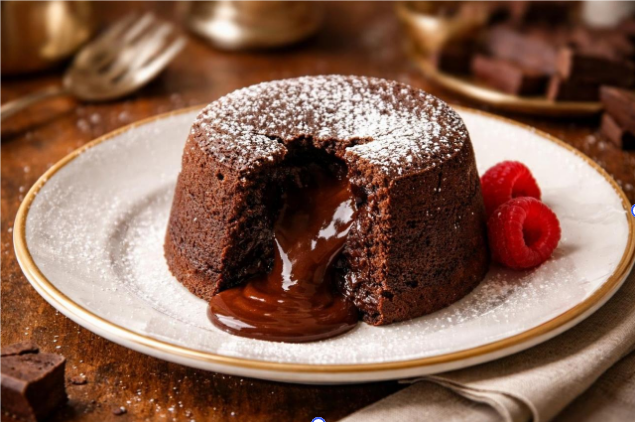
Warm chocolateSoft, flowing, aromatic

Cool chocolateFirm, crisp, slow-melting
Chocolate provides an excellent example.
At cooler temperatures, chocolate remains firm and may produce a characteristic snap when broken. As it warms in the mouth, cocoa butter softens and melts, releasing flavor compounds while creating a smooth sensation.
The balance between firmness, melting behavior, and aroma determines much of the chocolate-eating experience.
Ice cream offers another example. At very low temperatures, ice crystals and frozen components create a firm structure. As it warms, the structure softens, flavors become more accessible, and its perceived sweetness may increase.
These transformations demonstrate that food can deliver several different sensory experiences within a single bite.
The Role of Physics in Flavor Release
The movement of flavor molecules through food plays a major role in how quickly and intensely they are perceived.
Several physical processes influence this movement.
Diffusion
Diffusion describes the movement of molecules from regions of higher concentration toward regions of lower concentration.
In food, dissolved taste compounds must reach sensory receptors before they can be detected.
The structure and viscosity of food can influence how quickly these compounds move.
For example, a thick sauce may release certain flavor molecules more slowly than a thin liquid.
Melting and Phase Changes
Fats and other food components can change physical state as temperature varies.
Butter melts, chocolate softens, and frozen desserts gradually transform into liquids.
These phase changes alter the distribution and release of flavor compounds, influencing both taste and mouthfeel.
Viscosity
Viscosity measures a fluid’s resistance to flow.
Thicker liquids behave differently inside the mouth than thinner ones.
A creamy soup and a clear broth may contain similar seasonings, yet their different viscosities can create distinct flavor-release patterns and sensory impressions.
The relationship between viscosity and flavor perception depends on the food’s composition, making texture an important consideration in recipe development.
How Restaurants Use Temperature Contrast
Professional chefs frequently use contrasting temperatures to create more memorable dishes.
A warm dessert served with cold ice cream is a familiar example.
The contrast creates a shifting sensory experience as warmth and coldness interact inside the mouth.
Other combinations include chilled sauces with grilled meats, cold fruit paired with warm pastries, and crisp vegetables alongside hot main dishes.
Temperature contrast can make individual ingredients stand out while encouraging diners to notice differences in texture and flavor.
These techniques demonstrate how thoughtful food presentation can enhance enjoyment without necessarily increasing the number of ingredients.
The Psychology Behind Flavor Expectations
Flavor perception is also influenced by expectations and past experiences.
The brain continuously interprets sensory information using visual appearance, familiar textures, and learned associations.
People generally expect crispy foods to produce a recognizable crunch. When that expectation is not met, the food may seem stale or disappointing.
Similarly, a warm beverage may evoke comfort, while a chilled version of the same beverage may feel refreshing.
Cultural experiences also shape these associations.
Some dishes are traditionally enjoyed hot, while others are served cold. Changing their temperature may alter how familiar or satisfying they seem.
Consequently, the sensory experience of food involves both physical properties and psychological interpretation.
How Food Technology Uses the Physics of Flavor
Modern food science applies knowledge of texture, temperature, and molecular behavior to improve food products.
Food developers study how ingredients interact, how products change during storage, and how different structures influence consumer preferences.
For example, researchers may adjust the size of ice crystals to create smoother frozen desserts.
In chocolate manufacturing, controlled crystallization helps achieve a desirable snap, glossy appearance, and melting behavior.
Plant-based food developers also explore protein structures, fats, and processing techniques to recreate the chewiness and juiciness associated with certain animal-based products.
These innovations highlight the importance of physical properties in making food enjoyable.
Practical Ways to Improve Flavor Through Texture and Temperature
Understanding the science of flavor can make everyday cooking more rewarding.
- Experiment with serving temperatures: Taste foods at different temperatures to discover how sweetness, aroma, and richness change.
- Combine contrasting textures: Pair crunchy toppings with creamy dishes or tender ingredients with crisp vegetables.
- Protect freshness: Store crispy foods carefully to prevent moisture from compromising their texture.
- Control cooking temperatures: Use appropriate heat to develop desirable textures without overcooking ingredients.
- Consider melting behavior: Allow certain foods, such as chocolate or cheese, to reach temperatures that showcase their intended texture and flavor.
- Pay attention to mouthfeel: Notice whether a food is smooth, grainy, chewy, or crisp and how these characteristics affect enjoyment.
Small adjustments can meaningfully change the dining experience without requiring complicated recipes.
The Future of Sensory Food Science
As scientific understanding advances, researchers are exploring increasingly precise ways to influence flavor perception.
New approaches include designing food structures that control the release of aroma compounds, developing alternative ingredients with appealing textures, and using advanced processing technologies to modify mouthfeel.
Three-dimensional food printing may also provide opportunities to create customized textures and complex food structures.
Meanwhile, sensory research continues investigating how temperature, sound, smell, and visual presentation interact during eating.
These developments could help food producers create products that satisfy consumers while addressing nutritional, sustainability, and ingredient-related challenges.
Rather than relying entirely on stronger seasonings or additional sugar and fat, future food design may increasingly focus on enhancing the physical experience of eating.
Conclusion
The physics of flavor reveals that food enjoyment extends far beyond basic taste. Texture, temperature, aroma, sound, and physical structure work together to shape every bite.
Warmth can enhance aroma release, coldness can modify sweetness perception, and texture can change how flavors develop inside the mouth. Even identical ingredients can produce strikingly different experiences when their physical properties change.
Understanding these interactions offers new possibilities for chefs, food scientists, and home cooks alike.
Ultimately, great food is not simply about choosing the right ingredients. It is about understanding how those ingredients behave and how the human senses interpret them.
Read More : The Nighttime Economy of Travel: Exploring Cities Through After-Dark Culture