Introduction
Minimalism has long been associated with clean lines, open spaces, and a carefully edited selection of furniture and accessories. While this approach creates a sense of order, traditional minimalist interiors can sometimes feel cold or impersonal. Tactile minimalism offers a refreshing alternative by introducing warmth, softness, and character through texture rather than unnecessary decoration.
This interior design philosophy focuses on creating spaces that feel as inviting as they look. Instead of filling rooms with decorative objects, tactile minimalism uses natural materials, layered fabrics, subtle finishes, and comfortable furnishings to establish visual interest.
The result is a home that feels peaceful, sophisticated, and welcoming without becoming overcrowded.
What Is Tactile Minimalism?
Tactile minimalism is an interior design approach that combines the simplicity of minimalism with the sensory richness of textured materials. It emphasizes how surfaces feel, how fabrics interact with light, and how different finishes contribute to a room’s atmosphere.
Traditional minimalism often focuses on reducing visual distractions. Tactile minimalism maintains that principle while recognizing that simplicity does not have to mean emptiness.
For example, a living room might contain only a sofa, a coffee table, and a floor lamp. However, a linen-covered sofa, a handwoven wool rug, and a natural wood table introduce enough variation to make the space interesting.
The central idea is simple: warmth comes from material depth and thoughtful layering rather than the number of objects in a room.
Why Texture Matters in Minimalist Interiors
Texture plays a significant role in how people experience interior spaces. Even when a room uses a limited color palette, different surfaces create visual contrast and a sense of depth.
A smooth plaster wall reflects light differently from a rough stone surface. A soft wool throw provides a different sensory experience from a polished wooden chair. These subtle differences make a space feel more dynamic without introducing visual clutter.
Texture also influences the emotional atmosphere of a room. Soft fabrics and natural finishes are often associated with comfort, while polished surfaces and sharp edges can create a more formal impression.
By combining these elements thoughtfully, homeowners can achieve interiors that feel balanced rather than sterile.
Choosing Natural Materials for Authentic Warmth
Natural materials form the foundation of tactile minimalism because they introduce organic patterns and subtle imperfections.
Wood for Warmth and Character
Wood is one of the most versatile materials in minimalist interiors. Its natural grain adds movement and personality without relying on bold colors or elaborate patterns.
Light oak, ash, and maple work particularly well in bright, airy spaces, while walnut and darker timber finishes can introduce depth.
Wood can be incorporated through flooring, furniture, shelves, or architectural details. A solid wooden dining table, for example, becomes a focal point through its grain and craftsmanship rather than decorative embellishments.
Stone for Subtle Visual Interest
Natural stone introduces another layer of texture. Limestone, travertine, marble, and slate offer distinctive surfaces that complement minimalist surroundings.
A travertine side table or limestone countertop can add quiet sophistication to a neutral room. Honed and matte finishes often work especially well because they soften reflections and create a more relaxed appearance.
Linen, Cotton, and Wool for Comfort
Textiles help balance the harder surfaces commonly found in minimalist homes.
Linen curtains introduce gentle movement, cotton upholstery provides everyday comfort, and wool rugs add softness beneath the feet.
These materials can be combined without making a room feel crowded, particularly when their colors remain within a coordinated palette.
Building a Warm and Neutral Color Palette
Color remains important in tactile minimalism, but it generally supports texture rather than dominating the design.
Warm neutrals such as ivory, cream, beige, oatmeal, taupe, and soft brown create a welcoming background. Earth-inspired shades, including muted terracotta, olive green, and clay, can add subtle personality.
Instead of selecting a single shade for every surface, use several closely related tones.
For example, a bedroom might feature warm white walls, an oatmeal upholstered bed, beige linen bedding, and a caramel-colored wooden bedside table.
Although the colors are similar, their different textures and undertones prevent the room from appearing flat.
The goal is to create harmony while allowing each material to contribute its own character.
Layering Textures Without Creating Clutter
One of the most important skills in tactile minimalism is knowing how to layer materials without overwhelming a room.
A successful approach combines a small number of contrasting textures.
Consider a minimalist sofa styled with two cushions and a throw blanket. The sofa might feature smooth cotton upholstery, while the cushions introduce boucle and the throw adds a loosely woven texture.
This arrangement creates visual depth without requiring additional decorative objects.
The same principle applies to floors and walls. A textured rug can soften polished flooring, while a limewash or plaster-effect wall finish can add character without artwork.
To maintain balance, allow certain surfaces to remain simple. If a wall features a pronounced texture, surrounding furniture can have cleaner finishes.
The secret is contrast with restraint, not adding texture to every available surface.
The Role of Lighting in Highlighting Texture
Lighting is essential because it determines how textured surfaces appear throughout the day.
Natural daylight reveals the irregularities of woven fabrics, the grain of timber, and the subtle variations in stone.
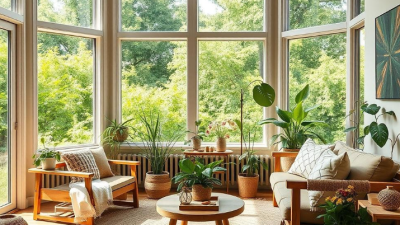
Positioning furniture and textiles near windows can allow these characteristics to become part of the room’s visual appeal.
Artificial lighting should also support a comfortable atmosphere. Warm-toned lamps, wall sconces, and indirect lighting can create gentle shadows that emphasize material depth.
A textured plaster wall, for instance, may appear relatively uniform under direct overhead lighting but develop a richer appearance when illuminated from the side.
Using multiple light sources instead of relying exclusively on one ceiling fixture helps create a more inviting environment.
Incorporating Tactile Minimalism Into Different Rooms
Tactile minimalism can be applied throughout the home, regardless of its size or architectural style.
Living Room: Comfort Through Simplicity
The living room benefits from a combination of comfortable furniture and restrained accessories.
Choose a sofa with inviting upholstery, a natural fiber or wool rug, and a wooden or stone coffee table. Add a small number of cushions in complementary textures.
Instead of displaying numerous ornaments, allow the materials themselves to become the room’s primary design features.
Bedroom: Creating a Restful Atmosphere
A tactile minimalist bedroom should feel calm and comfortable.
Layer breathable bedding, introduce a soft headboard, and select bedside furniture with natural finishes.
Linen duvet covers, cotton sheets, and wool blankets create variation while maintaining a coordinated appearance.
Keep bedside surfaces relatively clear to reinforce the sense of relaxation.
Kitchen: Balancing Practicality and Warmth
Minimalist kitchens often feature sleek cabinetry and durable worktops, but tactile details can prevent them from feeling overly clinical.
Wooden cabinet accents, matte ceramic tiles, stone countertops, and understated hardware add material interest.
A few practical objects, such as a wooden cutting board or ceramic utensil holder, can remain visible when they support everyday activities.
Bathroom: A Spa-Inspired Experience
Bathrooms are especially suited to tactile minimalism.
Textured tiles, natural stone, timber accents, and plush cotton towels can transform a functional space into a calming retreat.
Soft lighting and a restrained color palette help reinforce the spa-like atmosphere.
Because bathrooms contain moisture, materials should be selected for durability and maintained according to their specific care requirements.
The Importance of Quality Over Quantity
Tactile minimalism encourages more intentional purchasing decisions.
Rather than buying numerous inexpensive decorative pieces, homeowners can focus on fewer items that offer durability, functionality, and lasting appeal.
A well-constructed wooden chair, a quality wool rug, or a timeless linen curtain may contribute more to a room’s atmosphere than an extensive collection of accessories.
However, quality does not always require a large budget. Secondhand furniture, locally crafted ceramics, and carefully selected natural fabrics can provide character at a reasonable cost.
The important consideration is whether each item contributes meaningfully to the space.
Using Imperfection to Create Personality
One of the most appealing characteristics of tactile minimalism is its acceptance of natural variation.
Handcrafted ceramics may have slightly uneven surfaces. Wooden furniture can display distinctive grain patterns. Linen often develops gentle creases during everyday use.
Rather than treating these details as flaws, tactile minimalism recognizes them as part of a material’s individuality.
This perspective shares similarities with the Japanese concept of wabi-sabi, which appreciates simplicity, impermanence, and the beauty of imperfection.
Allowing materials to retain some of their natural character can make a home feel more personal and less like a showroom.
Common Mistakes to Avoid
Although tactile minimalism appears effortless, creating a balanced interior requires careful consideration.
One common mistake is introducing too many textured materials into a small space. When every piece of furniture, wall, and accessory has a strong surface pattern, the room may lose its peaceful appearance.
Another mistake is relying entirely on beige or white without considering contrast. Even neutral interiors benefit from differences in tone, shape, and material.
Homeowners should also avoid sacrificing comfort for appearance. A beautifully designed chair that feels uncomfortable does little to support the welcoming atmosphere this style aims to create.
Finally, it is important to remember that minimalism does not require removing every personal possession. A meaningful artwork, favorite book, or treasured handmade object can fit naturally into the design when displayed intentionally.
How Tactile Minimalism Supports Sustainable Design
Tactile minimalism can encourage more sustainable decorating habits by promoting thoughtful consumption and long-lasting materials.
Choosing durable furniture, repairing existing pieces, and reducing unnecessary purchases can help limit waste.
Natural materials may also support more environmentally conscious interiors when they are responsibly sourced and appropriately processed.
However, natural does not automatically mean sustainable. The environmental impact of a material depends on factors such as sourcing, manufacturing, transportation, durability, and disposal.
Selecting products with credible environmental certifications, considering secondhand options, and prioritizing longevity can make the approach more meaningful.
Creating a Tactile Minimalist Home on a Budget
Transforming a home does not necessarily require replacing furniture or completing an expensive renovation.
Small changes can make a noticeable difference.
Replacing synthetic-looking cushion covers with cotton or linen, adding a textured throw, or introducing a simple woven rug can soften an existing room.
Rearranging furniture to improve natural light can also highlight existing textures.
Painting a wall in a warm neutral shade, refinishing a wooden table, or replacing overly decorative accessories with a few useful objects can help establish the desired atmosphere.
The most effective starting point is often to evaluate what already exists and identify where comfort, texture, or visual balance could be improved.
The Future of Tactile Minimalism in Interior Design
As homeowners increasingly seek spaces that combine practicality with emotional comfort, tactile minimalism offers an adaptable design approach.
Its appeal lies in the ability to create visually peaceful interiors without removing warmth or individuality.
The style also works alongside other design influences, including Scandinavian interiors, modern organic design, and contemporary Japanese-inspired spaces.
Rather than depending on constantly changing decorative trends, tactile minimalism emphasizes materials, craftsmanship, and sensory comfort.
This makes it suitable for homeowners who want interiors that remain attractive and functional over time.
Conclusion
Tactile minimalism demonstrates that creating a warm and inviting home does not require excessive furniture, bold decorations, or complicated design schemes.
By focusing on natural materials, thoughtful layering, warm color palettes, and carefully selected furnishings, homeowners can develop spaces that feel comfortable and visually balanced.
The beauty of this approach lies in its restraint. A textured wall, a soft linen sofa, or a beautifully grained wooden table can contribute more atmosphere than numerous decorative accessories.
Ultimately, tactile minimalism is about creating a home that feels rich in comfort rather than crowded with possessions. It transforms simplicity from a purely visual concept into a more welcoming, sensory experience.
Read More : Hyper-Local Foraging: Bringing Wild Ingredients to the Everyday Kitchen