Introduction
The fashion industry has always been a space for creativity, innovation, and self-expression. From luxurious fabrics to revolutionary designs, fashion continues to evolve alongside technological advancements. One of the most exciting developments in recent years is the emergence of augmented reality (AR) wearables in high fashion. These sophisticated accessories combine digital technology with traditional fashion, creating new opportunities for designers, brands, and consumers.
Augmented reality wearables are changing how people interact with clothing and accessories. Smart glasses, interactive jewelry, and digitally enhanced garments are introducing experiences that go beyond appearance. As technology becomes increasingly integrated into everyday life, high fashion is exploring a future where physical style and digital experiences coexist.
Understanding Augmented Reality Wearables in Fashion
Augmented reality is a technology that overlays digital information, images, or interactive elements onto the physical world. Unlike virtual reality, which creates an entirely digital environment, AR enhances real-world experiences through additional visual content.
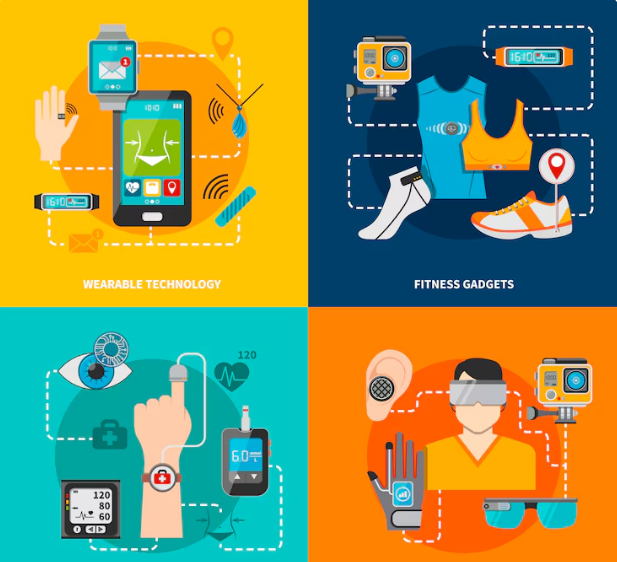
In fashion, AR wearables can include smart glasses, connected accessories, and garments designed to interact with digital applications. These products allow consumers to experience fashion in ways that traditional clothing cannot provide.
For example, AR-enabled glasses may display information directly within the wearer’s field of vision, while specially designed clothing can trigger digital animations when viewed through a compatible smartphone application.
This combination of technology and personal style is gradually expanding the definition of wearable fashion.
The Evolution of Technology in Luxury Fashion
Technology has influenced fashion for decades, from the introduction of synthetic materials to computer-assisted garment design. However, augmented reality represents a different stage of innovation because it can add interactive digital experiences to physical products.
Luxury brands have traditionally emphasized craftsmanship, exclusivity, and artistic expression. AR technology offers another way to communicate these qualities through immersive storytelling and personalized experiences.
Fashion houses can experiment with digital collections, interactive runway presentations, and accessories that connect consumers to exclusive online content.
Rather than replacing traditional craftsmanship, these innovations can complement established design practices and introduce new creative possibilities.
Smart Glasses as Fashion Statements
One of the most recognizable categories of AR wearables is smart eyewear. Glasses have long served as both practical accessories and symbols of personal style. By integrating advanced technology, designers can transform conventional eyewear into multifunctional fashion products.
AR smart glasses may offer features such as digital notifications, navigation assistance, and contextual information displays. Their appearance is particularly important in luxury fashion, where customers expect products to combine functionality with sophisticated design.
Fashion brands and technology companies are exploring ways to create eyewear that feels comfortable, looks elegant, and supports useful digital experiences.
However, not all smart glasses provide true augmented reality displays. Some focus primarily on audio, cameras, or connectivity, while more advanced devices incorporate digital visuals into the wearer’s surroundings.
As display technology improves and components become smaller, designers may gain greater freedom to create fashionable eyewear without sacrificing usability.
Interactive Clothing and Digital Expression
Traditional clothing communicates identity through colors, patterns, materials, and silhouettes. Augmented reality introduces an additional digital dimension to this expression.
Imagine a designer jacket featuring a distinctive pattern that reveals animated artwork when viewed through a smartphone. A luxury dress could become part of an interactive presentation, allowing audiences to explore the inspiration behind its design.
These applications demonstrate how physical garments can connect to digital experiences.
AR-enhanced clothing may also allow consumers to explore different visual effects without physically modifying the garment. This creates opportunities for designers to produce interactive collections that extend beyond conventional textile design.
Although many such experiences remain experimental or depend on external devices, they highlight the potential for fashion to become more interactive.
Augmented Reality on the Fashion Runway
Fashion shows are traditionally designed to showcase creativity, craftsmanship, and seasonal collections. Augmented reality offers new tools for creating memorable runway presentations.
Designers can incorporate digital scenery, animated visual effects, and interactive storytelling into fashion events. Audiences using compatible devices may see virtual elements appear around models or garments.
For example, a collection inspired by nature might feature digital flowers, flowing landscapes, or artistic animations that complement the clothing.
These experiences can strengthen a collection’s narrative and generate excitement among audiences.
AR also creates opportunities for fashion enthusiasts who cannot attend exclusive runway events. Digital presentations and interactive applications may allow remote viewers to engage with collections from different locations.
By extending runway experiences beyond physical venues, fashion brands can reach broader audiences while maintaining distinctive creative identities.
Personalization and the Future of Luxury Accessories
Personalization has become an important part of modern luxury fashion. Consumers increasingly appreciate products that reflect their preferences, lifestyles, and identities.
AR technology offers additional possibilities for customization.
With compatible applications, consumers may be able to preview different colors, patterns, or decorative elements on fashion products before making purchasing decisions.
Digital accessories could also allow users to explore alternative visual styles without purchasing multiple physical versions.
For luxury brands, these experiences may provide valuable opportunities to create more personalized customer relationships.
However, the success of these features depends on thoughtful design. Customers must find the technology convenient, visually appealing, and genuinely useful.
The Role of AR in Fashion Shopping
Augmented reality is already influencing how consumers discover and evaluate fashion products. Virtual try-on technology allows shoppers to preview certain accessories, such as glasses, watches, or shoes, through compatible devices.
Instead of relying exclusively on product photographs, customers can view digital representations of selected items in relation to their own appearance.
This approach offers several potential advantages. It can make online shopping more engaging, help customers compare styles, and improve confidence when choosing products.
Luxury retailers may also incorporate AR into physical stores by offering interactive displays, virtual styling experiences, and detailed product information.
Nevertheless, virtual try-on systems have limitations. Digital previews cannot always reproduce the precise fit, texture, weight, or movement of real garments.
For this reason, AR is best viewed as a helpful addition to the shopping experience rather than a complete replacement for physical product evaluation.
Sustainability and Digital Fashion Innovation
Sustainability is an increasingly important topic across the fashion industry. Designers and manufacturers are exploring ways to reduce waste, improve production methods, and encourage responsible consumption.
Augmented reality could contribute to these efforts by supporting virtual product previews and digital experimentation.
Designers may use digital visualization to evaluate concepts before producing physical samples. Similarly, consumers may explore different styling options through virtual experiences.
Digital fashion elements could also offer alternative forms of creative expression without requiring a new physical item for every visual variation.
However, AR technology is not automatically sustainable. Electronic devices require materials, energy, manufacturing processes, and eventual disposal or recycling.
The overall environmental impact depends on product lifespan, energy consumption, responsible sourcing, and whether digital experiences genuinely reduce physical waste.
Challenges Facing AR Wearables in High Fashion
Despite their potential, AR wearables face several challenges that may influence their adoption within the luxury market.
Design and comfort: Fashion accessories must remain visually attractive and comfortable. Bulky hardware, heavy frames, or inconvenient controls can discourage everyday use.
Cost and accessibility: Advanced wearable technology can be expensive, especially when combined with luxury materials and premium branding.
Battery life: AR features often require significant processing power, making energy efficiency an important consideration.
Privacy and security: Connected wearables may collect or process sensitive information. Brands must consider data protection, transparent permissions, and responsible technology use.
Consumer acceptance: Some customers may prefer traditional accessories and remain hesitant about integrating digital devices into personal fashion.
Addressing these challenges will require cooperation among designers, engineers, manufacturers, and technology companies.
The Future of Augmented Reality in High Fashion
As wearable technology continues to develop, augmented reality may become more deeply integrated into fashion design and luxury retail.
Future developments could include lighter smart glasses, more intuitive digital interfaces, interactive accessories, and improved connections between physical garments and virtual environments.
Artificial intelligence may also complement AR by supporting personalized styling recommendations and more responsive digital experiences.
Fashion designers could use these technologies to create collections that adapt to different settings or communicate artistic concepts through digital layers.
The long-term success of AR fashion will depend on how effectively brands balance technological innovation with comfort, craftsmanship, privacy, and timeless aesthetic appeal.
Consumers are unlikely to embrace technology simply because it is new. Products must offer meaningful benefits while preserving the emotional and artistic qualities that make fashion desirable.
Conclusion
The rise of augmented reality wearables represents an exciting development in the relationship between high fashion and digital technology. From smart eyewear and interactive clothing to immersive runway shows and virtual shopping experiences, AR is creating opportunities for fashion to become more personalized, expressive, and engaging.
Although challenges involving cost, comfort, sustainability, and privacy remain, continued innovation could make these technologies increasingly practical and attractive.
Ultimately, augmented reality is not just about adding digital features to clothing and accessories. It is about exploring new ways for people to express their identities, experience creativity, and interact with the world around them.
As high fashion continues to embrace emerging technologies, the boundary between physical elegance and digital imagination may become increasingly fluid, opening the door to a new era of wearable innovation.
Read More : The Circular Economy Blueprint: Turning Supply Chain Waste into Profit