
Introduction
Color has always been one of the most powerful tools in art. From ancient cave paintings to Renaissance masterpieces, artists have relied on pigments to express emotions, communicate ideas, and preserve cultural identities. However, many of the colors that once shaped the artistic world have disappeared, become extremely rare, or been replaced by modern alternatives.
Some historical pigments were made from precious minerals, while others came from plants, insects, and even sea creatures. Their production often required extraordinary skill, expensive materials, and complicated techniques. These colors were more than decorative elements; they represented wealth, power, spirituality, and scientific discovery.
The fascinating history of lost pigments reveals how art, chemistry, trade, and culture have influenced one another for thousands of years.
Egyptian Blue: The World’s First Synthetic Pigment

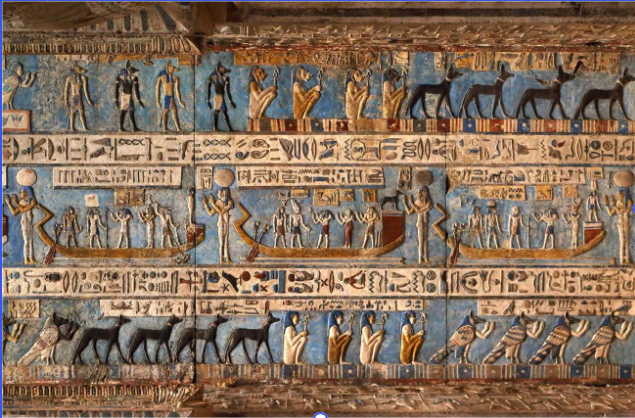
Egyptian Blue holds a remarkable place in art history because it is widely recognized as the first synthetic pigment. Developed in ancient Egypt more than 4,000 years ago, this brilliant blue color was created by heating a mixture of silica, copper-containing materials, calcium compounds, and an alkali.
The resulting pigment produced beautiful shades of blue that decorated temples, sculptures, tombs, and ceremonial objects.
Ancient Egyptians associated blue with the sky, the Nile River, fertility, and divine protection. It frequently appeared in religious artwork and representations of powerful figures.
After the decline of the ancient Mediterranean civilizations, the knowledge of producing Egyptian Blue gradually disappeared. Although the pigment survived in historical artifacts, its manufacturing methods were largely forgotten for centuries.
Modern researchers have successfully recreated Egyptian Blue and discovered that it possesses unusual optical properties, including near-infrared luminescence. These characteristics have made it valuable for scientific research and cultural heritage conservation.
Tyrian Purple: The Color of Emperors and Royalty

Few colors have represented wealth and authority as strongly as Tyrian Purple.
This extraordinary dye originated in the ancient Mediterranean world, particularly around the Phoenician city of Tyre. It was produced from secretions obtained from certain species of marine snails.
Creating even a small amount of dye required significant labor and large quantities of shellfish. As a result, Tyrian Purple became extremely expensive and was associated with rulers, wealthy citizens, and religious authorities.
In ancient Rome and the Byzantine Empire, purple clothing could communicate political influence and imperial status. Certain purple garments were restricted to powerful individuals.
Unlike ordinary dyes, Tyrian Purple was highly valued for its durability and distinctive appearance.
Eventually, changing political systems, economic conditions, and production practices caused the traditional dye industry to decline.
Today, the original color remains an important symbol of how natural materials once defined social status and artistic luxury.
Ultramarine: A Blue More Valuable Than Gold

During the medieval and Renaissance periods, natural ultramarine was among the most prestigious pigments available to European painters.
The pigment was made by carefully extracting blue particles from lapis lazuli, a precious stone historically sourced primarily from mines in present-day Afghanistan.
Transporting the stone across long trading routes made ultramarine extremely expensive. Artists and patrons often reserved it for the most important sections of paintings.
Religious artworks frequently used ultramarine for the robes of the Virgin Mary, emphasizing purity, dignity, and spiritual significance.
Famous Renaissance artists, including Michelangelo and Raphael, worked during a period when the pigment’s cost could significantly influence artistic commissions.
The development of synthetic ultramarine in the nineteenth century transformed the art world by making a comparable blue much more affordable.
Although natural ultramarine has not disappeared completely, its historical rarity reminds us that artistic choices were once strongly influenced by geography, trade, and financial resources.
Vermilion: The Brilliant Red of Ancient Civilizations

Vermilion is a vivid red pigment historically produced from cinnabar, a mineral containing mercury sulfide.
Its intense appearance made it popular in ancient Roman painting, Chinese decorative arts, illuminated manuscripts, and traditional lacquerwork.
In many Asian cultures, vermilion was associated with celebration, prosperity, protection, and good fortune.
The pigment was particularly admired because it created a striking red that stood out against gold, black, and neutral backgrounds.
However, vermilion had several disadvantages. Some formulations could darken over time under certain environmental conditions, changing the appearance of historic artworks.
More importantly, mercury-containing materials present serious health hazards when handled improperly.
Modern artists generally prefer safer red pigments that offer similar visual intensity without the same risks.
Vermilion remains an important example of how artistic beauty sometimes came at a significant environmental and human cost.
Indian Yellow: A Mysterious Golden Pigment
Indian Yellow was once admired for its transparent, glowing yellow appearance.
European watercolor painters, particularly during the eighteenth and nineteenth centuries, valued its ability to produce warm golden tones and luminous effects.
Its historical origin has been the subject of considerable debate.
A widely repeated nineteenth-century account claimed that the pigment was produced from the urine of cows fed primarily mango leaves in India. However, historians have questioned the reliability and broader applicability of this explanation, and the complete history of its manufacture remains uncertain.
Regardless of its exact production methods, traditional Indian Yellow eventually disappeared from commercial pigment production.
Modern paints marketed as Indian Yellow generally use alternative colorants to reproduce the historical shade.
Its story demonstrates that even familiar artistic materials can contain mysteries that researchers have not fully resolved.
Mummy Brown: The Dark Side of Historical Paintmaking
One of the strangest pigments in art history was Mummy Brown.
Historical accounts describe a brown pigment produced using materials that sometimes included ground Egyptian mummies, combined with substances such as resins and bitumen.
During parts of the eighteenth and nineteenth centuries, the pigment was marketed to European artists who appreciated its warm, transparent brown tones.
However, the material raised serious ethical concerns because of its association with human remains.
Its composition was also inconsistent, making it difficult for artists to predict how the paint would perform over time.
As awareness of its origins increased and suitable alternatives became available, the traditional pigment gradually disappeared.
Today, paint manufacturers may still use the name Mummy Brown, but modern versions do not require human remains.
This unusual episode highlights the importance of ethical responsibility in artistic material production.
Scheele’s Green: A Beautiful but Dangerous Discovery

The eighteenth century introduced new chemical pigments that dramatically expanded the available color palette.
One of these was Scheele’s Green, developed in 1775 by Swedish chemist Carl Wilhelm Scheele.
Its bright green appearance quickly made it popular in painting, wallpaper, fabrics, and household decoration.
Unfortunately, the pigment contained arsenic compounds, making it toxic.
Another arsenic-based pigment, Emerald Green, later achieved considerable popularity because of its particularly vibrant shade.
Over time, concerns about arsenic exposure and safer chemical alternatives contributed to the decline of these pigments.
Their history illustrates an important lesson: scientific innovation can produce remarkable visual results, but the safety of artistic materials must be considered alongside their beauty.
Lead White: The Foundation of Classical Painting
For centuries, Lead White was one of the most important pigments in European painting.
Artists valued its opacity, flexibility, and ability to create smooth highlights, subtle flesh tones, and complex mixtures.
It played an essential role in many traditional oil painting techniques, including those used by Renaissance and Baroque painters.
Lead White was produced through chemical processes involving lead, moisture, and acidic vapors.
Despite its artistic advantages, lead exposure posed serious health risks to pigment makers and painters.
Modern regulations and safer alternatives, including titanium white and zinc white, have greatly reduced its use in many artistic settings.
Nevertheless, conservators and art historians continue studying Lead White because understanding its properties is essential for preserving historic paintings.
How Modern Science Is Rediscovering Forgotten Colors
The study of historical pigments has become an exciting intersection of art history, archaeology, chemistry, and advanced technology.
Scientists now use specialized instruments to identify pigments without significantly damaging valuable artwork.
Techniques such as X-ray fluorescence, Raman spectroscopy, and infrared imaging can reveal the materials hidden beneath painted surfaces.
These discoveries help researchers understand how artists worked, where materials originated, and why certain colors changed over time.
For example, examining the chemical composition of pigments can reveal historical trade connections between distant civilizations.
Researchers can also reconstruct ancient production methods through controlled laboratory experiments.
Such work allows museums and conservation experts to preserve historical objects more effectively while making forgotten artistic knowledge accessible to new generations.
Why Historical Pigments Still Matter Today
The history of pigments is not simply a collection of unusual colors. It reveals the changing relationship between human creativity and the natural world.
Historical pigments provide valuable insights into several important aspects of civilization:
- Cultural identity: Colors often carried religious, political, and social meanings.
- Economic history: Rare pigments influenced trade routes, artistic commissions, and international commerce.
- Scientific development: Pigment production encouraged experimentation with minerals, chemistry, and manufacturing techniques.
- Art conservation: Understanding historical materials helps specialists protect paintings and artifacts from deterioration.
- Sustainable innovation: Studying older materials can inspire modern researchers to develop safer and more environmentally responsible color technologies.
Modern artists benefit from a wider selection of affordable and stable pigments than most historical painters could have imagined.
Yet the stories behind ancient colors continue to influence artistic practice and deepen appreciation for traditional craftsmanship.
The Future of Color in Art
Contemporary advances in material science are creating possibilities that earlier generations of artists could scarcely imagine.
Researchers are developing pigments with improved durability, unusual optical effects, and more sustainable manufacturing methods.
Nanotechnology has also introduced opportunities to create color through microscopic structures rather than relying exclusively on traditional chemical pigments.
At the same time, museums, historians, and conservation scientists are working to preserve knowledge of historical color production.
Digital reconstruction technologies can help audiences visualize how ancient sculptures, buildings, and paintings may have appeared when their colors were fresh.
These developments connect the artistic achievements of the past with the technological possibilities of the future.
Rather than disappearing completely, many forgotten colors are finding new relevance through scientific discovery and historical appreciation.
Conclusion
The lost colors of history tell extraordinary stories of creativity, ambition, discovery, and transformation.
From the sacred brilliance of Egyptian Blue to the royal prestige of Tyrian Purple and the luxurious beauty of ultramarine, pigments have shaped how civilizations expressed their beliefs and identities.
Other colors, including Scheele’s Green, Vermilion, and Mummy Brown, reveal the darker complexities of historical art production.
Although many traditional pigments have been replaced by safer, more affordable alternatives, their influence remains visible in museums, paintings, architecture, and modern artistic traditions.
Understanding these forgotten colors allows us to appreciate not only the beauty of historical artwork but also the remarkable human ingenuity that made it possible.
Ultimately, every pigment carries a story, and every rediscovered color brings us closer to understanding the artistic world of the past.
Read More : Beyond the Canvas: How AI Is Redefining the Boundaries of Contemporary Sculpture