Introduction
Classic cars have a timeless appeal that modern vehicles often struggle to replicate. Their distinctive body shapes, elegant detailing, and mechanical simplicity represent an important chapter in automotive history. However, vintage vehicles frequently lack the performance, reliability, comfort, and safety features that today’s drivers expect. This is where restomodding comes into the picture.
Restomodding combines restoration and modification, transforming older vehicles into high-performance machines while preserving their original character. By integrating modern engines, advanced suspension systems, upgraded brakes, and contemporary technology into vintage bodies, automotive specialists create cars that celebrate the past while embracing the future.
The result is an exciting combination of nostalgic design and modern supercar performance.
What Is Restomodding?
Restomodding is the process of restoring a classic vehicle while upgrading its mechanical systems, technology, and performance capabilities. Unlike traditional restoration, which focuses on returning a vehicle to its original factory condition, restomodding allows owners to incorporate modern engineering and personalized improvements.
For example, a classic muscle car originally equipped with a modest V8 engine might receive a modern supercharged powertrain capable of producing significantly more horsepower. Similarly, a vintage European sports car could gain advanced suspension, electronic fuel injection, and modern braking technology.
The goal is not simply to make an old vehicle faster. It is to create a balanced driving experience that combines classic aesthetics with improved handling, efficiency, reliability, and everyday usability.
Why Restomodding Is Becoming Increasingly Popular
The growing interest in restomodding reflects changing expectations among automotive enthusiasts. Many collectors appreciate classic styling but prefer the convenience and driving characteristics of modern vehicles.
Several factors contribute to this trend.
1. Timeless Design With Modern Performance
Vintage cars often feature distinctive designs that remain attractive decades after their introduction. Restomodding preserves these visual characteristics while introducing modern engines and performance systems.
Drivers can enjoy the appearance of a classic automobile without necessarily accepting its original performance limitations.
2. Greater Reliability
Older vehicles may require frequent mechanical attention because of aging components and outdated engineering. Replacing worn systems with properly integrated modern equipment can improve reliability and reduce certain maintenance challenges.
However, the quality of the conversion plays a significant role in determining long-term dependability.
3. Personalized Driving Experiences
Restomodding offers extensive customization opportunities. Owners can choose engines, transmissions, suspension setups, interior materials, and electronic features according to their preferences.
This allows each completed vehicle to become a unique expression of its owner’s automotive interests.
4. Improved Everyday Usability
Modern air conditioning, power steering, upgraded electrical systems, and more comfortable interiors can make classic vehicles easier to drive regularly.
For enthusiasts who want to enjoy their vehicles beyond occasional weekend outings, these improvements can be particularly valuable.
The Heart of a Restomod: Modern Supercar-Level Power
One of the most exciting aspects of restomodding is the possibility of installing a modern high-performance engine inside a vintage body.
Classic vehicles were designed around the technology available during their original production periods. Modern engines benefit from decades of development in combustion efficiency, electronic controls, materials, and power delivery.
High-Performance Engine Swaps
Engine swapping is a common feature of ambitious restomod projects. Builders may replace an original powertrain with a modern V8, turbocharged six-cylinder engine, or other performance-oriented unit.
Depending on the vehicle and available space, these modifications can deliver dramatic horsepower increases.
However, installing a powerful engine involves considerably more than securing it inside the engine bay. Engineers must evaluate engine mounts, cooling systems, transmission compatibility, exhaust routing, wiring, and weight distribution.
A properly executed engine swap prioritizes reliability and vehicle balance alongside power output.
Turbocharging and Supercharging
Forced induction offers another approach to increasing engine performance.
Turbochargers use exhaust energy to compress incoming air, while superchargers are mechanically driven by the engine or another power source. Both technologies can increase power by allowing more air into the combustion chambers.
When applied to suitable engines, forced induction can create impressive acceleration and torque.
Nevertheless, builders must carefully manage temperatures, fuel delivery, internal engine strength, and drivetrain durability to ensure dependable performance.
Electric Restomod Conversions
Electric powertrains are also becoming part of the restomodding landscape.
Some specialists replace traditional combustion engines with electric motors and battery systems, giving vintage automobiles smooth acceleration, instant torque, and quiet operation.
Electric conversions present unique engineering challenges, including battery placement, structural protection, thermal management, and overall weight distribution.
Although they change the original driving experience considerably, electric restomods demonstrate how classic automotive design can coexist with emerging propulsion technology.
Upgrading the Chassis to Handle Modern Power
Increasing horsepower without improving the vehicle’s supporting systems can create serious handling and safety problems.
Many vintage automobiles were never engineered to manage the acceleration, braking forces, and cornering capabilities associated with modern performance vehicles.
Consequently, chassis development is one of the most important parts of a successful restomod.
Modern Suspension Systems
Upgraded suspension improves stability, steering response, and ride quality.
Depending on the vehicle, modifications may include adjustable coilovers, revised control arms, stronger anti-roll bars, and redesigned suspension geometry.
These components help manage weight transfer and maintain tire contact with the road during acceleration, braking, and cornering.
A carefully tuned suspension can make a classic vehicle feel significantly more controlled without sacrificing its distinctive driving character.
Advanced Braking Technology
High-performance engines demand equally capable braking systems.
Restomod builders frequently install larger disc brakes, multi-piston calipers, upgraded master cylinders, and improved brake cooling.
Modern brake components can increase stopping consistency and resistance to heat-related performance loss.
Some extensive conversions also incorporate anti-lock braking systems, although proper installation requires compatible sensors, electronic controls, and hydraulic components.
Structural Reinforcement
Older vehicle structures may need reinforcement to withstand substantial increases in torque and cornering loads.
Depending on the design, builders might strengthen suspension mounting points, add chassis bracing, or repair and reinforce critical structural sections.
These modifications require professional engineering judgment because poorly planned reinforcement can alter how a vehicle behaves during a collision.
Preserving the Vintage Exterior
One of the defining principles of restomodding is maintaining the recognizable appearance of the original vehicle.
While the mechanical systems may change dramatically, the exterior often remains faithful to the classic design.
Builders typically preserve important features such as the body silhouette, grille design, distinctive lighting arrangements, and original proportions.
Subtle modifications may include wider wheels, carefully integrated aerodynamic elements, improved lighting, and discreet ventilation openings.
The challenge is to create a cohesive appearance rather than allowing modern components to overwhelm the vintage character.
The most visually successful restomods often appear remarkably close to their original designs until closer inspection reveals the extensive engineering beneath the surface.
Bringing Modern Technology Into Classic Interiors
Restomodding extends beyond mechanical performance. Interior upgrades can dramatically improve driving comfort and functionality.
Modern digital displays, infotainment systems, premium audio equipment, and updated climate-control systems can be incorporated into traditional dashboard designs.
Many builders use hidden electronics or retro-inspired controls to maintain an authentic appearance.
For example, a classic dashboard might retain its original instrument layout while incorporating electronically operated gauges that communicate with a modern engine management system.
Other popular enhancements include improved seat support, upgraded insulation, USB charging ports, and refined interior materials.
The ideal approach balances modern convenience with the atmosphere that makes the vintage vehicle special.
Engineering Challenges Behind Powerful Restomods
Despite their appeal, restomod projects can be technically demanding.
Modern powertrains often rely on complicated electronic systems that must communicate correctly with transmissions, sensors, cooling systems, and vehicle controls.
Packaging is another major challenge. A vintage engine compartment may lack sufficient space for modern turbochargers, cooling equipment, or performance exhaust components.
Weight distribution can also become problematic when a new engine or battery system significantly changes the vehicle’s original balance.
Additional considerations include fuel system compatibility, drivetrain strength, tire selection, and compliance with applicable vehicle regulations.
These challenges explain why sophisticated restomods often require specialists in fabrication, mechanical engineering, electrical integration, and vehicle dynamics.
The Importance of Safety in Restomodding
Performance should never come at the expense of safety.
A classic body fitted with a powerful modern engine does not automatically provide the crash protection found in a contemporary supercar.
Original structural designs, steering columns, occupant restraints, and body construction may still reflect older safety standards.
Builders should therefore evaluate the entire vehicle rather than concentrating exclusively on horsepower.
Appropriate brake upgrades, correctly rated tires, structurally sound mounting points, dependable fuel systems, and carefully installed seat belts are important considerations.
Owners should also understand that modifications may affect insurance eligibility, roadworthiness certification, emissions compliance, and registration requirements depending on local laws.
Professional inspection and testing help identify problems before a heavily modified vehicle enters regular road use.
Iconic Vehicles That Inspire Restomod Projects
Several classic automotive platforms have become especially popular among restomod enthusiasts because of their timeless styling, cultural significance, and modification potential.
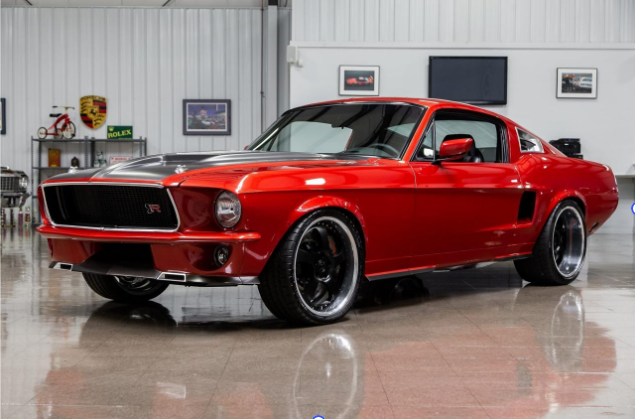
Classic Mustangs provide a recognizable muscle-car foundation for modern V8 conversions, updated suspension systems, and personalized interiors.

Porsche 911
Vintage 911 builds often emphasize lightweight construction, refined handling, modernized engines, and carefully preserved styling.

Chevrolet Camaro
Early Camaros are popular platforms for high-output engines, upgraded chassis components, and contemporary performance braking systems.
These vehicles demonstrate how different automotive traditions can benefit from modern engineering while maintaining their distinctive identities.
How Much Does Restomodding Cost?
The cost of restomodding varies significantly depending on the starting vehicle, the desired performance level, and the complexity of the modifications.
A relatively straightforward project involving suspension, brakes, and interior improvements may be substantially more affordable than a complete custom build.
Projects featuring bespoke chassis components, extensive body restoration, advanced electronics, and supercar-level power can require very large budgets.
Labor often represents a major expense because many components must be custom-fabricated or adapted to fit an older vehicle.
Owners should also account for unexpected rust repairs, specialized testing, replacement parts, and ongoing maintenance.
Establishing realistic goals and a contingency budget is essential before beginning a project.
Restomodding vs. Traditional Restoration
Although both approaches involve working with classic automobiles, their objectives differ.
Traditional restoration focuses on historical authenticity. Builders attempt to reproduce original manufacturing specifications, materials, colors, and mechanical configurations.
Restomodding prioritizes a combination of classic appearance and modern functionality.
Neither approach is universally better.
Collectors interested in historical preservation may prefer factory-correct restoration, particularly for rare or historically significant vehicles.
Drivers who value performance, comfort, and personalization may find restomodding more appealing.
The best choice depends on the vehicle’s significance, the owner’s priorities, and the intended driving experience.
The Future of Restomodding
As automotive technology continues to evolve, restomodding is likely to become increasingly sophisticated.
Advanced manufacturing techniques, computer-aided design, and precision fabrication are making it possible to develop components specifically for vintage platforms.
Modern engine management systems allow more precise performance tuning, while improved suspension technology helps builders achieve greater stability and comfort.
Electric propulsion and other alternative powertrains may also influence future projects, particularly as enthusiasts explore new ways to keep classic vehicle designs usable.
At the same time, growing appreciation for automotive heritage will continue to encourage builders to preserve distinctive exterior designs and traditional craftsmanship.
The future of restomodding is not simply about producing faster classic cars. It is about combining historical character with carefully selected innovations that improve the overall ownership experience.
Conclusion
Restomodding represents a fascinating intersection of automotive history, creativity, and modern engineering. By placing contemporary performance technology inside vintage bodies, builders create vehicles that celebrate iconic designs while offering capabilities unimaginable when those cars were first manufactured.
From powerful engine swaps and advanced suspension systems to refined interiors and electric conversions, the possibilities are extensive.
However, achieving a successful restomod requires more than impressive horsepower figures. Thoughtful engineering, balanced handling, dependable braking, structural integrity, and careful attention to safety are equally important.
When these elements come together, a restomod becomes something truly special: a classic automobile that preserves the emotional appeal of the past while delivering an exciting and more capable driving experience for the modern world.
Read More : Blue Car Names: 900+ Cool Names for Your Blue Ride 💙🚗