
Introduction
Dogs communicate constantly, but much of what they express goes beyond barking, growling, or wagging their tails. Their emotions, intentions, and comfort levels are often revealed through tiny movements known as micro-gestures. These subtle signals can include a brief head turn, a slight change in ear position, a quick lip lick, or a momentary shift in posture.
Understanding canine body language helps pet owners build stronger relationships with their dogs. It also allows them to recognize stress, excitement, uncertainty, and affection before these feelings develop into more noticeable behaviors.
Learning to interpret these small signals can transform everyday interactions and create a safer, more comfortable environment for both dogs and their human companions.
Why Canine Body Language Matters
Dogs rely heavily on nonverbal communication to interact with people, other animals, and their surroundings. While humans often focus on vocal sounds, dogs communicate through combinations of facial expressions, body positioning, movement, and environmental responses.
For example, a dog may appear calm while sitting quietly, but slightly pinned-back ears, repeated lip licking, and a tense body could indicate discomfort.
Recognizing these signs early allows owners to respond appropriately instead of misunderstanding their pet’s behavior.
However, no single gesture has a universal meaning. A dog’s emotional state is best understood by observing several signals together and considering the surrounding situation.
1. The Hidden Meaning Behind Tail Movements
Tail wagging is one of the most recognizable canine behaviors. Many people assume that a wagging tail always indicates happiness, but its meaning is more complicated.
A loose, sweeping tail wag accompanied by relaxed muscles often suggests friendliness or excitement. Meanwhile, a high, stiff tail with rapid movements may indicate intense alertness or agitation.
A lowered tail can communicate uncertainty, while a tightly tucked tail frequently signals fear or discomfort.
The speed, height, and flexibility of the tail all contribute to its meaning. Owners should also consider their dog’s natural tail shape and breed characteristics.
Rather than interpreting the tail alone, observe the entire body to better understand the dog’s emotional condition.
2. Eye Movements Reveal Emotional Changes
A dog’s eyes provide valuable clues about how it feels.
Soft eyes, relaxed eyelids, and gentle facial muscles generally indicate comfort. Conversely, a fixed stare or unusually wide eyes may suggest tension or heightened attention.
One particularly important signal is commonly called whale eye. This occurs when the white portion of a dog’s eye becomes visible as it looks sideways while keeping its head relatively still.
Whale eye can appear when a dog feels uncomfortable, protective, or uncertain about a situation. However, eye anatomy and ordinary head movements can also expose the whites of the eyes.
Repeated blinking or avoiding direct eye contact may also occur during stressful interactions.
Recognizing these details helps owners identify situations in which their dogs may need additional space.
3. Lip Licking and Yawning Are Not Always About Hunger or Sleep
Some of the most easily misunderstood canine micro-gestures involve the mouth.
A dog may briefly lick its lips even when food is nowhere nearby. This behavior can occur during moments of uncertainty, nervousness, or social tension.
Similarly, yawning does not always indicate tiredness. Dogs sometimes yawn when experiencing excitement, stress, or unfamiliar situations.
For example, a dog receiving unwanted attention from strangers might repeatedly lick its nose or yawn while attempting to remain still.
These behaviors are not automatically signs of distress because they can have several explanations. However, when accompanied by tense muscles, lowered posture, or avoidance, they may indicate discomfort.
Owners who recognize these signals can reduce pressure on their pets before stress escalates.
4. Ear Positions Communicate Attention and Emotion
A dog’s ears are remarkably expressive, although their movements differ depending on breed and ear structure.
Forward-facing ears often indicate curiosity or focused attention. Ears that shift backward may suggest uncertainty, appeasement, or affection, depending on the dog’s overall posture.
Flattened ears accompanied by a tucked tail and crouched body can indicate fear.
Some dogs have naturally floppy ears, making these changes harder to notice. In these cases, observing the base of the ears and other facial expressions becomes particularly useful.
The key is understanding what is normal for the individual dog and recognizing changes from its usual behavior.
5. Small Head Turns Can Signal Discomfort
A subtle head turn is another important communication signal.
Dogs sometimes turn their heads away when they want to avoid direct interaction or reduce social tension.
For example, a dog may look away when someone leans over it, hugs it tightly, or approaches its face.
This does not necessarily mean the dog dislikes the person. Instead, it may be communicating a preference for more personal space.
Head turning can also occur naturally when a dog notices something interesting nearby, so context remains essential.
Respecting these signals encourages trust and helps prevent uncomfortable interactions.
6. Body Stiffness Can Be More Important Than Movement
Many owners focus on obvious behaviors such as jumping, running, or barking. However, sudden stillness can reveal equally important information.
A relaxed dog typically moves with flexible muscles and natural, comfortable movements.
A dog experiencing tension may suddenly freeze, stiffen its legs, close its mouth, or hold its body unusually rigid.
This behavior can occur when a dog feels threatened, uncertain, or protective of something valuable.
For instance, a dog that becomes completely still while someone approaches its food bowl may be showing discomfort.
Instead of continuing the interaction, owners should create space and avoid forcing contact.
Recognizing stiffness early can help prevent escalating defensive behavior.
7. Paw Lifting and Weight Shifting
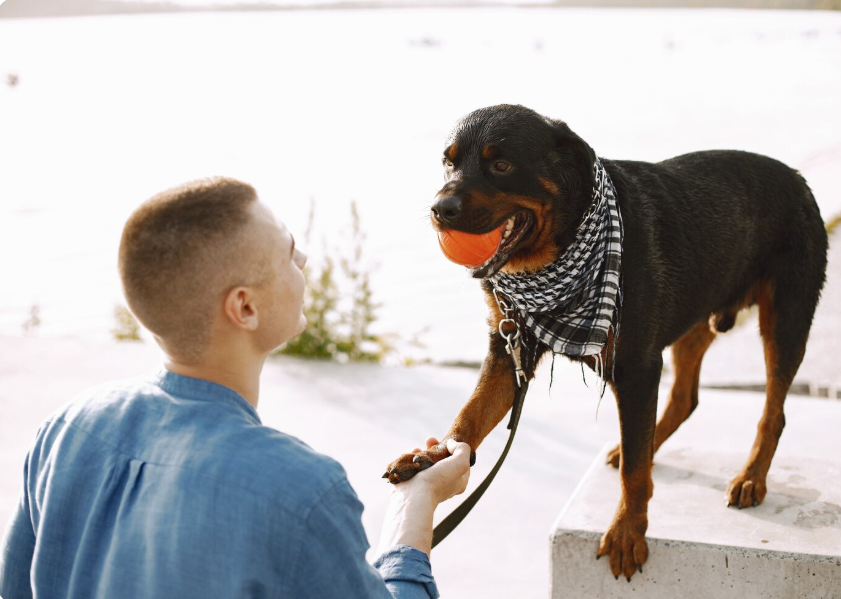
A raised front paw can communicate several different things.
Some dogs lift a paw when anticipating a reward, concentrating on an interesting smell, or engaging in playful behavior.
In other situations, paw lifting may accompany hesitation or uncertainty.
Weight shifting also provides clues. A dog leaning forward with a loose, energetic posture may be eager to interact, while one leaning backward may be preparing to retreat.
Repeatedly shifting weight away from a person or object can indicate a desire for distance.
These small movements become easier to interpret when owners consider what happened immediately before the gesture.
8. Recognizing Genuine Playfulness
Playful dogs often display exaggerated, flexible movements that communicate friendly intentions.
One familiar example is the play bow, in which a dog lowers its front legs while keeping its rear end elevated.
Other playful signals may include bouncy movement, loose body posture, and brief pauses between activities.
Healthy play generally involves flexibility and opportunities for both dogs to disengage.
However, not every energetic interaction is enjoyable for every participant. If one dog repeatedly attempts to escape, hides, or becomes stiff, the interaction may need to stop.
Observing these subtle differences helps owners support safe and positive social experiences.
9. Understanding Signs of Affection and Trust
Dogs show affection in ways that are sometimes quieter than enthusiastic tail wagging.
A dog choosing to rest beside its owner, approaching with relaxed muscles, or voluntarily seeking gentle contact may be expressing comfort and trust.
Some dogs enjoy leaning against familiar people, while others prefer staying nearby without direct physical contact.
Soft facial expressions and relaxed body movements can also accompany affectionate interactions.
However, physical closeness should never be forced. Allowing a dog to choose when and how to interact supports a relationship built on mutual comfort.
Each dog has an individual communication style influenced by its personality, experiences, and environment.
10. How to Become Better at Reading Your Dog
Understanding canine communication requires patience and consistent observation.
Start by watching your dog during ordinary activities such as eating, playing, resting, and greeting familiar people. Notice what its ears, eyes, tail, and posture look like when it feels comfortable.
Next, compare these behaviors with its reactions to unfamiliar environments or situations.
Pay attention to combinations of signals rather than focusing on individual gestures.
For example, a brief lip lick may not provide much information alone. However, lip licking combined with a lowered body, pinned-back ears, and repeated attempts to move away may indicate discomfort.
Avoid punishing warning signals such as growling. These behaviors communicate important information, and suppressing them can make future reactions harder to predict.
If a dog suddenly displays unusual behavior, appears painful, or becomes persistently fearful or aggressive, consulting a veterinarian or qualified behavior professional is advisable.
The Importance of Respecting Canine Boundaries
One of the greatest benefits of understanding canine micro-gestures is learning when a dog needs space.
People sometimes interpret a quiet dog as cooperative, even when the animal is showing subtle signs of discomfort.
Recognizing avoidance, stiffness, repeated lip licking, or attempts to retreat allows owners to adjust their approach.
Children should also learn that dogs need personal boundaries. They should avoid disturbing dogs while eating, sleeping, or caring for puppies.
Teaching respectful interactions protects both people and animals while building stronger relationships.
Dogs are more likely to feel secure when their signals are recognized and their preferences are respected.
Conclusion
Canine communication is a complex combination of movement, posture, facial expressions, and behavior. Small gestures such as head turns, lip licking, ear adjustments, and changes in body tension can reveal meaningful information about a dog’s emotional state.
By paying attention to these subtle details, pet owners can recognize discomfort earlier, encourage positive interactions, and strengthen their connection with their companions.
The most important lesson is that a dog’s body language should always be interpreted as a complete picture rather than a collection of isolated gestures.
When owners observe carefully, respect boundaries, and respond with patience, everyday communication becomes clearer. Over time, this understanding creates a more trusting, comfortable, and rewarding relationship between humans and their dogs.
Read More : Beyond Bella and Max: The Ultimate List of Unique Pet Names
Is this conversation helpful so far?