Introduction
Adventure is often associated with distant mountains, unexplored forests, international travel, and expensive vacations. However, extraordinary experiences do not always require long journeys or complicated arrangements. Sometimes, the most memorable adventures are waiting just beyond your neighborhood.
Micro-expeditions are changing how people approach exploration by encouraging shorter, accessible adventures close to home. Whether hiking an unfamiliar trail, camping overnight, cycling through the countryside, or discovering a hidden natural attraction, these small journeys can deliver the excitement of traditional expeditions without demanding significant time or money.
The beauty of micro-expeditions lies in their simplicity. They encourage curiosity, creativity, and a willingness to experience familiar surroundings from an entirely different perspective.
What Are Micro-Expeditions?
Micro-expeditions are short, purposeful adventures that typically last anywhere from a few hours to a weekend. Unlike conventional vacations, they focus on exploring nearby environments while introducing elements of discovery, physical activity, and personal challenge.
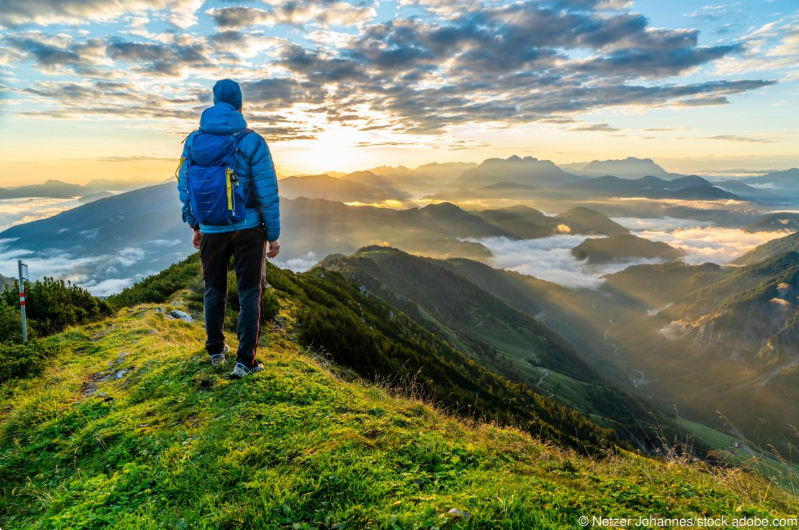
A micro-expedition might involve watching the sunrise from a nearby hill, following an unfamiliar walking route, or spending a night camping at a designated campsite.
What separates a micro-expedition from an ordinary outing is the intention behind it. Rather than simply visiting a place, participants approach the experience with an adventurous mindset, embracing uncertainty, observation, and exploration.
Why Local Adventures Are Becoming More Appealing
Modern lifestyles often leave little room for extended travel. Professional responsibilities, financial limitations, and personal commitments can make planning a traditional adventure difficult.
Micro-expeditions offer an alternative that fits into everyday schedules.
1. Affordable Exploration
Long-distance travel often involves transportation expenses, accommodation costs, and extensive preparation. Local adventures can significantly reduce these expenses.
Exploring nearby parks, walking trails, riversides, and countryside routes allows travelers to experience new surroundings without stretching their budgets.
2. Flexible Time Commitments
A meaningful adventure does not require an entire week away from home. Even a few hours of purposeful exploration can provide excitement and a refreshing change of scenery.
Micro-expeditions are particularly appealing to people with demanding schedules because they can be organized around weekends, holidays, or free afternoons.
3. Greater Connection With Nature
Spending time outdoors can support relaxation, physical activity, and emotional well-being. Micro-expeditions encourage people to disconnect temporarily from digital distractions and engage with their natural surroundings.
The sound of flowing water, changing landscapes, and quiet forest paths can make even a short journey feel rewarding.
Discovering Adventure in Familiar Places
One of the most fascinating aspects of micro-expeditions is their ability to transform familiar destinations into exciting experiences.
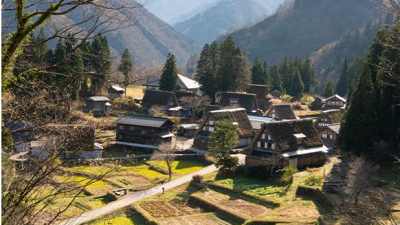
A nearby lake might become the setting for an early-morning photography expedition. A local hill could provide an opportunity for a challenging sunset hike. An overlooked village road might reveal beautiful landscapes, traditional architecture, and unexpected cultural discoveries.
The key is learning to observe places differently.
Instead of asking how far you can travel, consider what you have never explored within a short distance of your home.
Local maps, community recommendations, and established walking routes can help uncover destinations that might otherwise go unnoticed.
Creative Micro-Expedition Ideas Worth Trying
Sunrise Summit Challenge
Choose an accessible hill or viewpoint and begin your journey early enough to watch the sunrise. The changing colors and peaceful atmosphere can make a familiar landscape feel extraordinary.

Overnight Camping Adventure
Spend a night at a nearby designated campsite. Cooking outdoors, observing the night sky, and waking up in nature can create a genuine sense of exploration.

Countryside Cycling Expedition
Plan a cycling route through quiet rural roads or established cycling trails. Visit small communities, discover local food, and enjoy landscapes that are easily missed while driving.

Unfamiliar Trail Exploration
Select a marked trail that you have never visited. Pay attention to plants, wildlife, geological features, and interesting viewpoints along the route.
How to Plan a Successful Micro-Expedition
Although micro-expeditions are relatively simple, thoughtful preparation can make them more enjoyable and safer.
Choose a Realistic Destination
Begin with a location that matches your fitness level, available time, and experience. A nearby nature reserve, scenic walking trail, or established cycling route can be an excellent starting point.
Research access rules, trail conditions, operating hours, and weather forecasts before leaving.
Pack Essential Equipment
The equipment required depends on the type of adventure. Comfortable footwear, drinking water, suitable clothing, snacks, navigation tools, and a basic first-aid kit are useful for many outdoor activities.
For overnight adventures, additional equipment such as a tent, sleeping bag, lighting, and weather-appropriate supplies may be necessary.
Create a Flexible Itinerary
Having a basic route and schedule helps maintain direction without eliminating spontaneity.
Allow time for photography, rest breaks, interesting discoveries, and unexpected changes in plans. However, avoid entering unsafe or restricted areas simply to make the experience more adventurous.
Prioritize Safety
Check weather conditions, carry a charged phone, and inform someone of your intended route and expected return time.
For unfamiliar or remote locations, download offline maps and understand the area’s potential hazards. Choose established routes and follow local regulations.
A successful micro-expedition should provide excitement without exposing participants to unnecessary risks.
The Psychological Benefits of Small Adventures
Micro-expeditions offer more than opportunities for sightseeing. They can encourage personal development and a stronger sense of independence.
Navigating unfamiliar surroundings, adapting to changing conditions, and completing physical challenges can help build confidence.
These experiences also introduce novelty into everyday routines. New environments stimulate curiosity and encourage people to become more attentive to their surroundings.
Even modest accomplishments, such as completing a challenging walking route or reaching a viewpoint before sunrise, can create a lasting sense of satisfaction.
For people who spend much of their time indoors, regular outdoor adventures may also provide opportunities to reduce stress and improve overall mood.
Making Micro-Expeditions Part of Your Lifestyle
The greatest value of micro-expeditions comes from making exploration a regular activity rather than treating it as an occasional luxury.
Consider setting a personal goal of completing one new adventure every month. Each expedition can focus on a different theme, such as hiking, cycling, nature photography, cultural discovery, or stargazing.
Keeping a travel journal can make these experiences even more meaningful. Recording routes, observations, challenges, and favorite moments creates a personal collection of discoveries.
Inviting friends or family members can also turn small adventures into shared experiences. Alternatively, carefully planned solo outings can provide valuable opportunities for reflection and independence.
Over time, these short journeys can transform how you view your surroundings.
Responsible Exploration and Environmental Awareness
Adventure should never come at the expense of the places being explored.
Responsible micro-expeditions involve respecting wildlife, remaining on designated trails, carrying away waste, and avoiding damage to natural environments.
Travelers should also respect local communities, private property, and cultural traditions.
Choosing nearby destinations can reduce transportation requirements compared with long-distance trips, particularly when walking, cycling, or using public transportation.
By practicing responsible exploration, adventurers can help preserve these locations for future visitors.
Conclusion
Micro-expeditions demonstrate that meaningful adventure is not determined by distance, expense, or the length of a journey. The willingness to explore, accept manageable challenges, and appreciate unfamiliar experiences is often far more important.
From sunrise hikes and countryside cycling trips to overnight camping and local nature exploration, countless opportunities exist within easy reach of home.
By approaching familiar environments with curiosity and purpose, anyone can transform ordinary free time into memorable experiences.
The next great adventure may not be thousands of miles away. It could begin just a few steps beyond your front door.
Read More : The Nighttime Economy of Travel: Exploring Cities Through After-Dark Culture